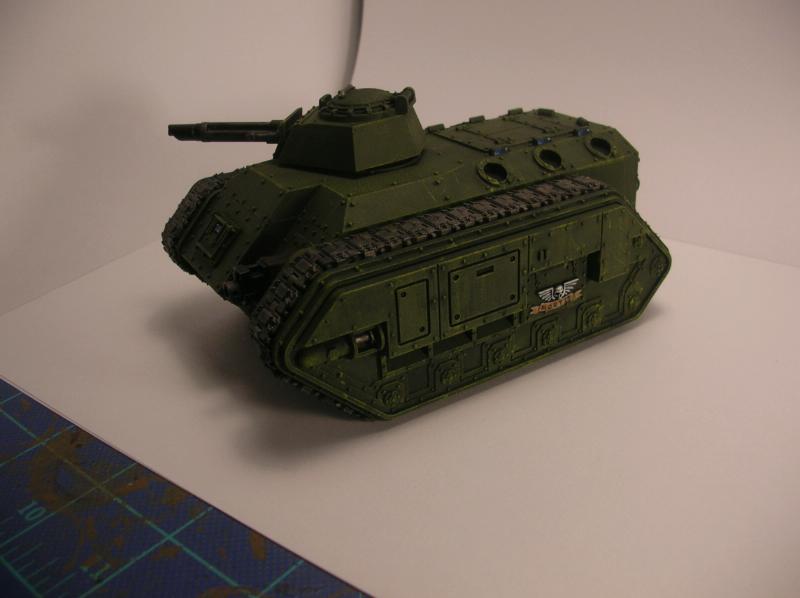
Drybrushing is fairly easy once you get the knack.
Wipe off as much paint as you can from the brush.
Then before applying to the model, test on the base or something. I tend to use the back of my left hand for convenience.
Do this everytime you load the brush.
I have found that it is better to thin the paint very slightly and keep it moist through out.
This may sound silly given the term drybrushing, but it prevents the raised specks you otherwise get which looks like sugar frosting.
Also use your old brushes as the technique is a good way of wrecking the shape of the bristles

Just noticed that you are using Liquitex.
Liquitex and drybrushing do not really go together well if
iirc from a long while ago.
You will probably find it easier to drybrush with Citadel or similar hobby acrylics, as the consistency feels better for the technique.
Personally I have never really got on that well with Liquitex, but I know some people can use them well. But not tried them with the various mediums.
HTH some Soma
Automatically Appended Next Post: Part of the knack is touch.
The bristles need to lightly flick the raised surfaces.
Too much pressure and/or too much paint loading will get the paint into the recesses which you generally don't want.


 so if you have any helpful tops on drybrushing without making the paint look terrible after it dries please share! I dont just paint
  DE 1500