I did a lot of research on Renascence pike and shot formations a few years ago when I was putting some armies together, lets see what I remember. wall of text attack

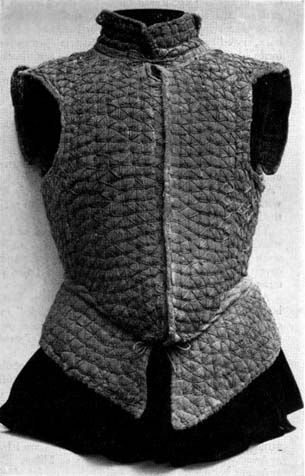
1. Soldiers generally had to provide there own kit, most men would have some type of armour usually at least a quilted jack (metal plates covered in layers of cotton). Typically the front two ranks would be made up of the most heavily armoured men, as they would take the brunt of the fighting. Full plate would be very rare due to the cost. The heaviest armour you would likely see on a pikeman was half plate with perhaps some thigh protection. Morrions became virtually universal across Europe so would be very common, even if a man had no body armour he would probably have a morrion.
2. Bucklers were sometimes used in conjunction with pikes but fell out of use later in the period. I think the main reason why you dont see shield is they had become obsolete equipment in general. The improvements in armour quality had rendered them pointless.
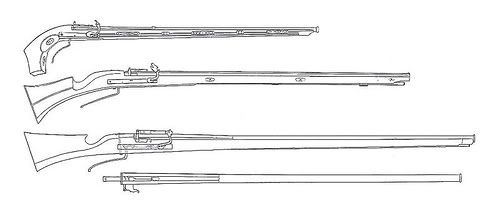
3. Arquabuses are smaller caliber than muskets, quicker to fire and easier to reload. Early muskets were very big and complex weapons, essentially cannons shrunk down to man size. It could take up to 3 minutes to reload one according to a contemporary source I forget the name of. The illustration you have is of a Aquabusier armed with a caliver rather than a Musketeer, and from the looks of it he is wearing a quilted jack. Jacks were the most common armour of the period, usually made up of metal plates cut from old sets of armour covered in layers of cotton to provide impact protection. leather armour didn't really exist in the Renascence, the only stuff I can think off is deer hide used by Highlanders. You do get
raw hide Buff coats later in the period.
4. Swords were a common side arm by the Renascence period. Basically swords had become easier to make, so were far more common than before.
5. Halberds and most pole arms started as peasant weapons made from modified farming tools. They weren’t as good at stopping cavalry being much shorter than pike, but were more versatile being able to stab and slash rather than just poking at things. Weapons like the bill could be used to drag people off horses and chop the ends of pikes. The pike became the the wonder weapon of the age thanks to the Swiss tactic of using pike blocks as offensive formations rather than defensive. Every one started ditching ploearms in favor of the pike in the hope of emulating the success the Swiss had. Polearms hung on in England for a long time and proved effective against scots pike blocks at the battles of Flodden and Pinkie Cleugh.
6. Landsknechts fought in the Swiss fashion rather than in Spanish Tercio. I am a bit hazy on the difference in styles these days but the, but the Swiss way of fighting was very offensive orientated using fast moving pike blocks to smash through the enemy lines.
If you can be bothered reading all that hope some of it helps