Switch Theme:

Feathering on Tyranid Carapace  [RSS] Share on facebook Share on Twitter Submit to Reddit
»
Author Message
Advert


Forum adverts like this one are shown to any user who is not logged in. Join us by filling out a tiny 3 field form and you will get your own, free, dakka user account which gives a good range of benefits to you:
  • No adverts like this in the forums anymore.
  • Times and dates in your local timezone.
  • Full tracking of what you have read so you can skip to your first unread post, easily see what has changed since you last logged in, and easily see what is new at a glance.
  • Email notifications for threads you want to watch closely.
  • Being a part of the oldest wargaming community on the net.
If you are already a member then feel free to login now.


Made in us
Longtime Dakkanaut


Wichita, KS

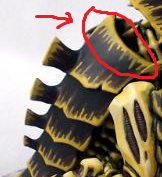
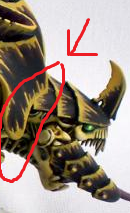
I'm going to start trying to do some feathering on my Tyranids. I've reviewed some tutorials, and been browsing some of the galleries.

I've got a question about what edges to feather. It seems like everyone feathers both the leading and trailing edge of the carapaces. For instance, this excellent pic from the gallery.
http://www.dakkadakka.com/gallery/186307-Tervigon%20Right.html
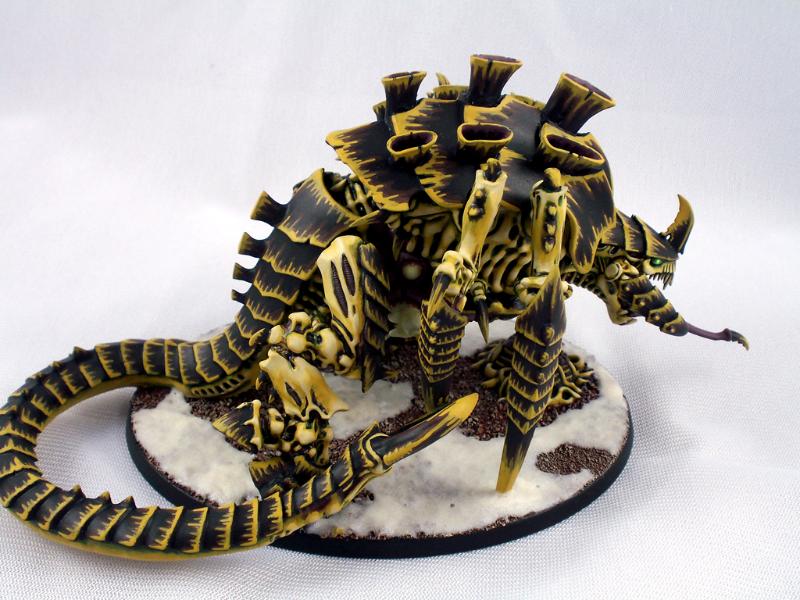


I am thinking about trying to only feather the trailing edges, as I think that tends to be a bit more realistic looking because carapaces are thicker on the leading edge. However, I am new to painting models, and feel like there is some reason people much more experienced than I also paint the leading edges. Is there anyone who can explain why painters tend to paint the leading edges?

Also, can someone recommend a website with good pictures of bugs / lizards that I can use as inspiration for some of my painting choices?

This message was edited 1 time. Last update was at 2014/03/18 15:02:41


Made in gb
Longtime Dakkanaut


Nottingham, UK

The reason you highlight leading edges is simply to make them visible. I usually put less gradient on the leading edge to make it appear sharper - not just an edge as this gets rid of the ridged appearance that you're using feathering to reinforce.


Made in au
Grizzled Space Wolves Great Wolf


You could argue the leading edges would be less feathered.

In my mind I'm envisioning an armour piece which has a grain to it, and as the carapace grows the outer layers dry and crack, like finger/toe nails might do. Or possibly just that newer grown armour is darker in tone and so the edges get that light and faded appearance, but since it has a grain to it, it comes out like streaks or feathering. In my mind, this happens most at the extremities like the leading and trailing edges and also around detailed areas. Though admittedly sometimes I've painted the feathering in spots where that probably would not be true.

This message was edited 2 times. Last update was at 2014/03/18 16:54:05


Forum Index » Painting & Modeling
Go to: