Switch Theme:

theCrowe's 6mm scale WW2 aircraft Gallery: Polish Airforce in Exile- part 2 “Repeat please!”  [RSS] Share on facebook Share on Twitter Submit to Reddit
»
Author Message
Advert


Forum adverts like this one are shown to any user who is not logged in. Join us by filling out a tiny 3 field form and you will get your own, free, dakka user account which gives a good range of benefits to you:
  • No adverts like this in the forums anymore.
  • Times and dates in your local timezone.
  • Full tracking of what you have read so you can skip to your first unread post, easily see what has changed since you last logged in, and easily see what is new at a glance.
  • Email notifications for threads you want to watch closely.
  • Being a part of the oldest wargaming community on the net.
If you are already a member then feel free to login now.


Made in gb
Liberated Grot Land Raida


Northern Ireland

Hi folks. Long time no planes. Sorry for the long break, I got very distracted with ground based things, (gasp!) bounce over to my 6mm WW2 Red Cross round up if you want to see those.

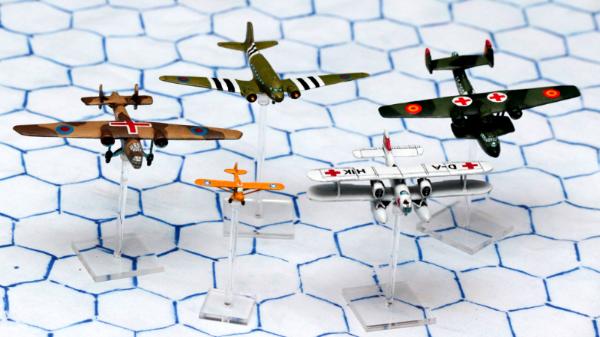
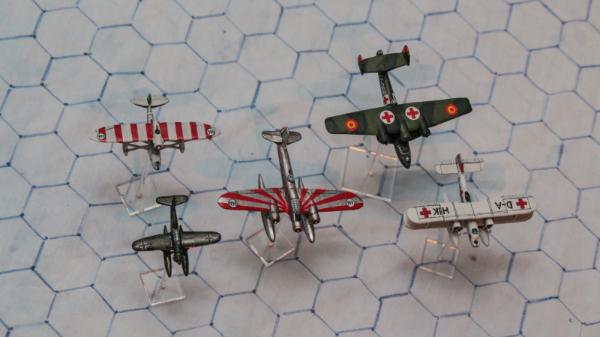
Carrying on the theme though I've got some Air Ambulance and rescue planes for you all this time around.


Not too many, just the five this time around, as I'm still not quite done with my ground based ideas yet. So anyway, on with the aircraft!

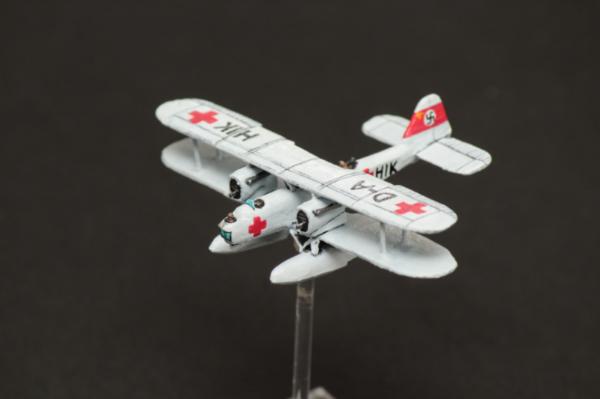
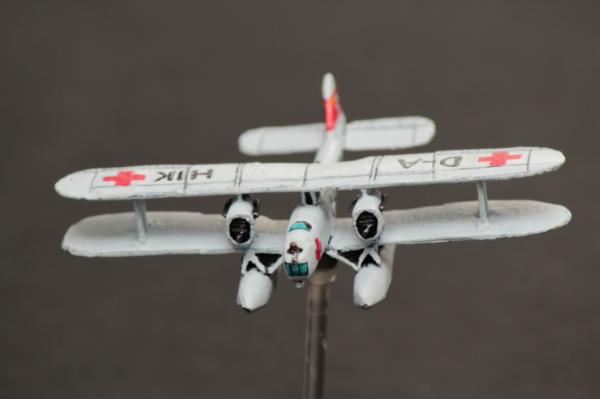
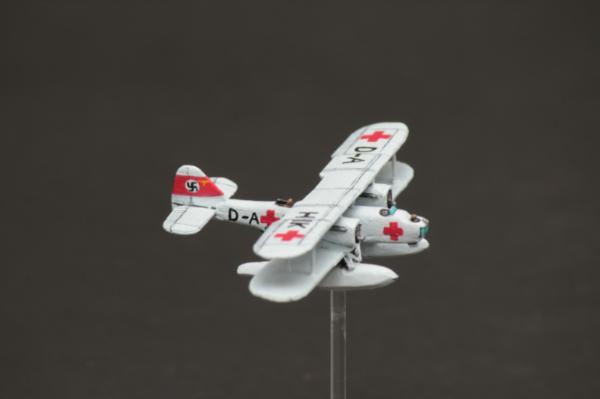
He 59- German Seenotdienst Air Sea Rescue service.

Seenotdienst Air Sea Rescue planes like these and many other types were operating in the North Sea and over the channel and many airmen of both sides had been saved from certain drowning by their efforts.


Unfortunately however it turned out they weren't just rescuing downed airmen. They were also noting the location of Allied naval convoys. This was considered an illegal activity while flying under the protection of the Red Cross and Churchill was having none of it. So he ordered they be engaged and shot down as active combatants regardless of their markings (a somewhat controversial order) and despite the fact that Britain did not operate her own Air Sea Rescue at the time.


The Seenotdienst were rolled up into the Luftwaffe and soon dropped their Red Cross and civilian markings but none the less continued to operate in the roll of Air Sea Rescue throughout the war.

Across the world air ambulance services were operated by dedicated units ferrying wounded men back from the front lines.

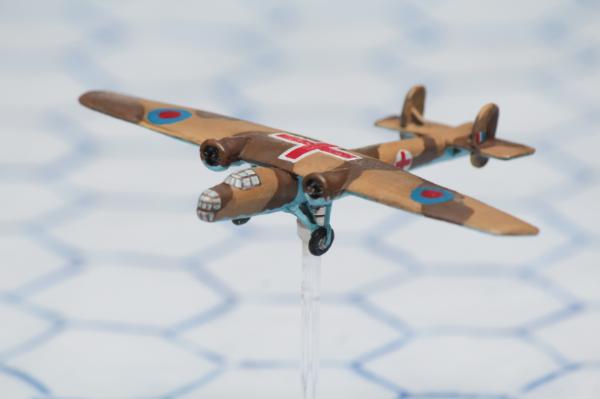
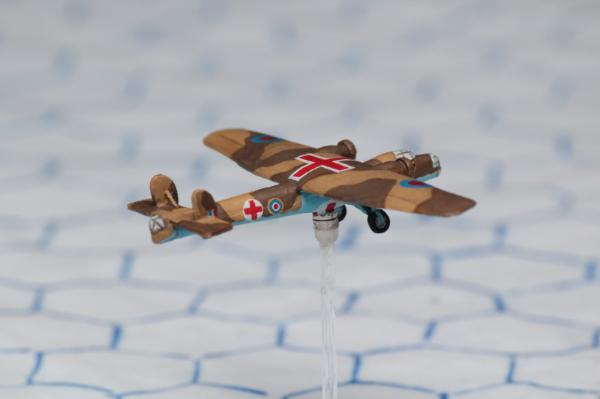
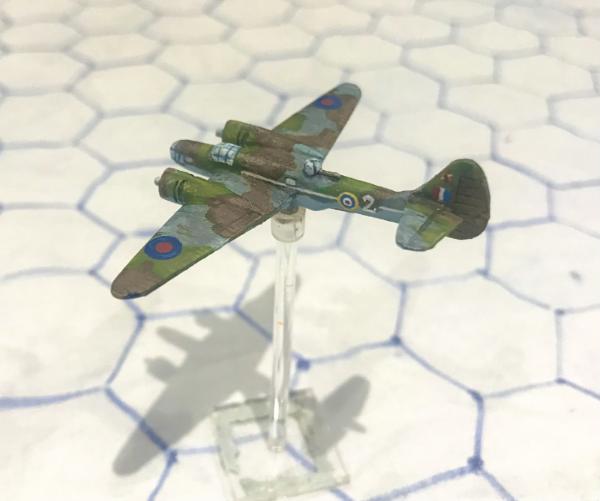
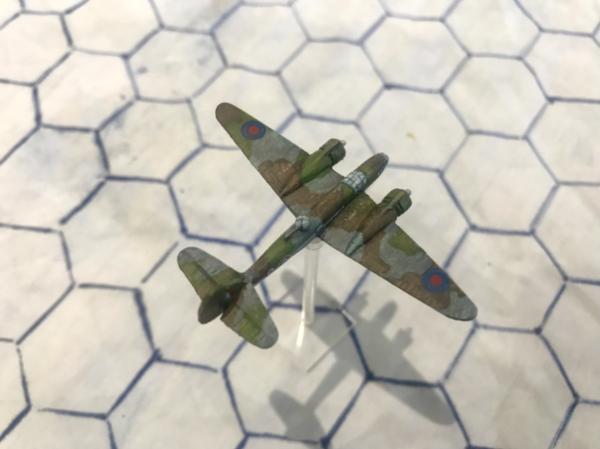
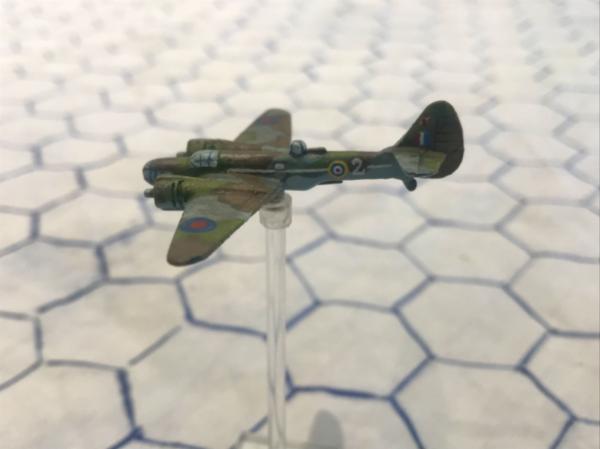
The Bristol Bombay was an ageing troop transport, turned light bomber, that had served admirably in the Middle East until the availability of Wellingtons allowed the old Bombays to be used in a more suitable role. They went from bombing duties with 216sqd RAF to transport and air ambulance duties with the No.1 Air Ambulance Unit, RAAF in Feb 1943 serving in the Tunisia campaign.


1AAU continued to provide vital support to infantry forces during the invasion of Sicily and on into Italy. As newer and more reliable types came online with the RAF and USAAF the 1AAU with their venerable Bombays were disbanded flying their last air evacuation in November of 1943.

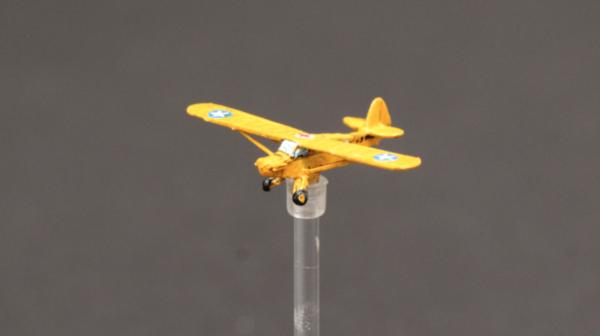
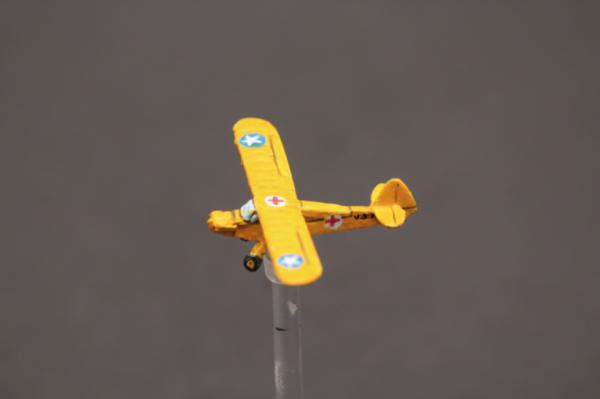
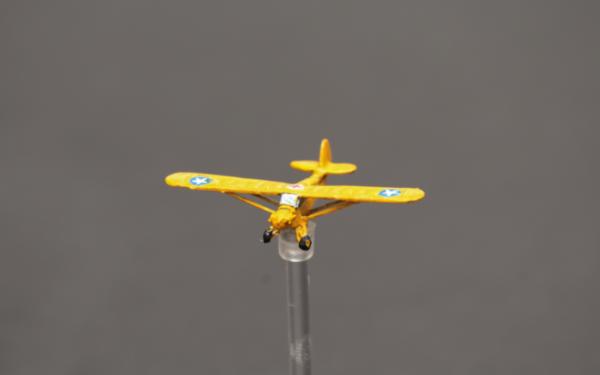
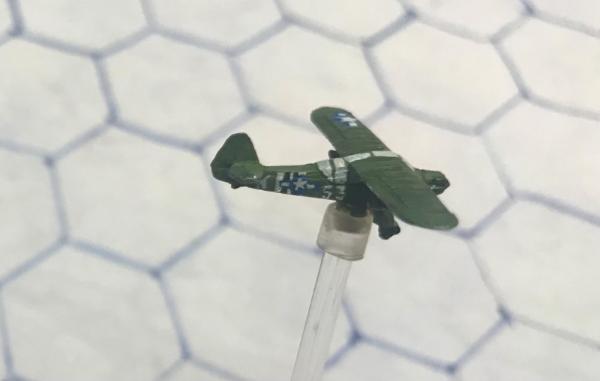
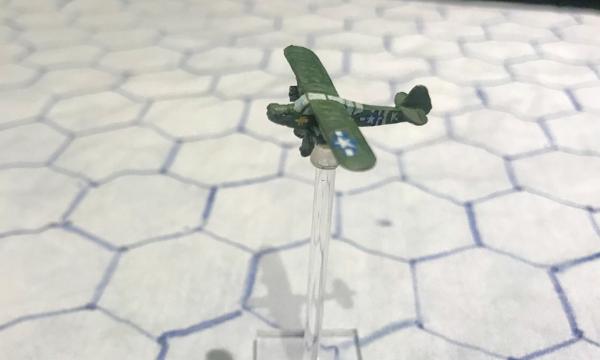
Piper Cub HE-1 US Navy air ambulance evacuation.
g
The Piper Cub was a perfect little civilian two seater used across the American military services as a transport and recon platform, designated the L-4 Grasshopper.


It was the US Navy however who commissioned this variant, the HE-1, (later AE-1) a dedicated air ambulance with a hinged upper rear fuselage to allow the loading of a single wounded passenger on a stretcher.


These aircraft were located at small remote Naval Auxiliary Air Stations which were often some distance from major medical facilities. The development and introduction of helicopters for air evacuation made small ambulance planes like these all but obsolete.

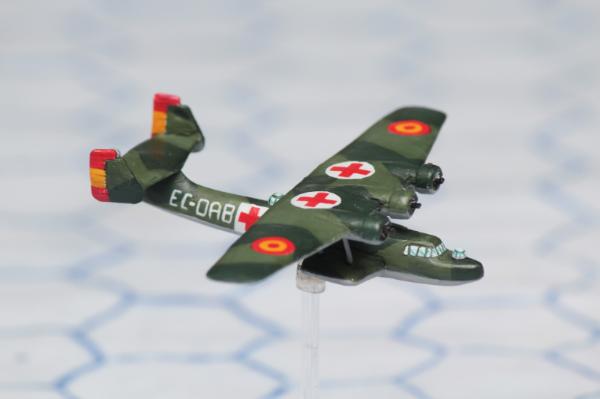
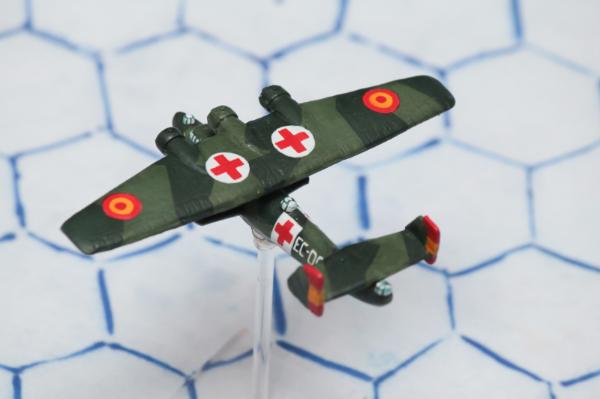
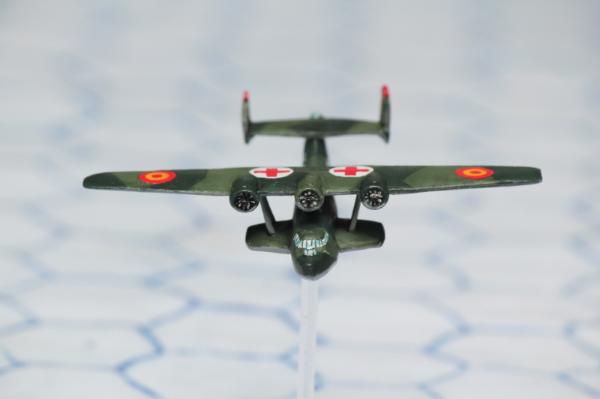
Another Air Sea Rescue plane, this time I'm looking to the coast of Spain.

Like many officially neutral nations Spain operated patrols over its airspace and coastlines. In the summer of 1944 twelve Dornier 24T flying boats (Dutch-built machines originally serving with the Luftwaffe) were delivered to Spain on the understanding that they would be used to rescue downed airmen off the Spanish coasts.


Do-24s like these were also used by the Seenotdienst Air Sea Rescue service. According to Dornier's records the Do 24 was credited with the rescue of some 12,000 people over the course of its service, which with the Spanish airforce lasted until 1967.


And last of my air ambulance and rescue set is the Douglas C-47 Dakota.

Not all aircraft carrying wounded had the benefit of Red Cross markings. (Indeed not all those that were so marked received the courtesy that the law required) In the earliest days of the Normandy landings the first airfields secured allowed these transports to land carrying vital ammunition, food and supplies to the allied armies in France but the return leg to England was an air evacuation of the wounded.

As the Dakotas were carrying war supplies to the front they could not be marked with the Red Cross so the return to England though laden with wounded was entirely at their own risk if under the cover of allied fighters.


Well that's all for now. Still working on a couple more 6m ground based bits and bobs (nothing normal I assure you) but I'll be back with more aircraft in the future and as ever you'll see them on here. Thanks for visiting the gallery and do let me know what you think.
Made in gb
Liberated Grot Land Raida


Northern Ireland


Hi folks, thanks for visiting the gallery again. This time around I've been looking at anything that floats. That's right folks Float Planes and Flying Boats are the order of the day. And since I've gathered up quite a collection I'm breaking them up starting with all the Allies this time. And the Axis ones will follow next time. So on with the show.


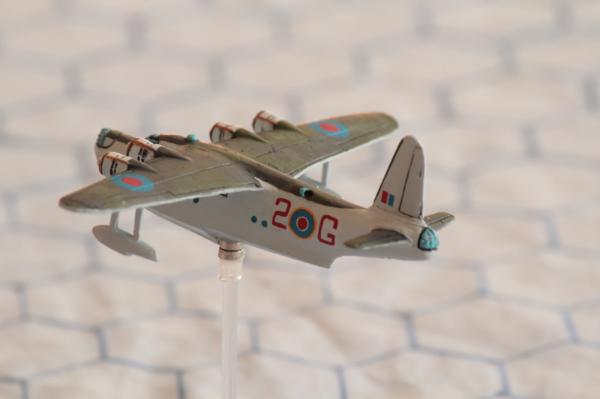
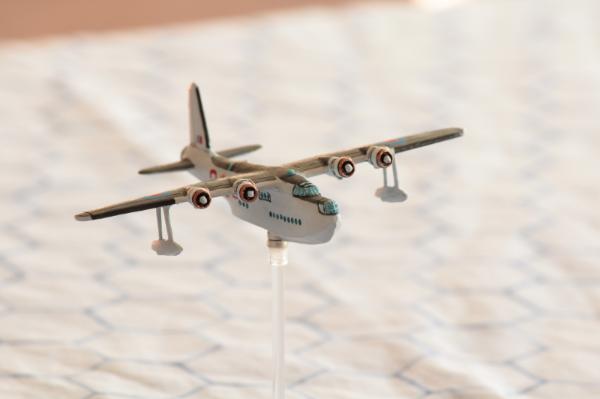
Short Sunderland DD867 2-G, of No. 423 Squadron RCAF.
Always important to cheer on the home team, and what could be better than this Northern Irish local legend. Built in Belfast and based at Castle Archdale, County Fermanagh. The Short Sunderland had to be the one to kick things off this time around.

The good Canadian lads of No. 423 would fly these big four engined patrol boats out of Lough Erne on long-range patrol/reconnaissance and submarine hunting missions over the Atlantic. For such a task it could be equipped equipped with bombs, aerial mines or depth charges and toted up to sixteen defensive machine guns, which earned it the nickname Das Fliegendes Stachelschwein ("The Flying Porcupine"). Very catchy.

Sunderlands flew with many other allied air forces across the world and played an important part in the Mediterranean theatre in the evacuation of Crete and the reconnaissance of the Italian fleet at Taranto.

And of course the Canadians provided more than manpower to the air war.

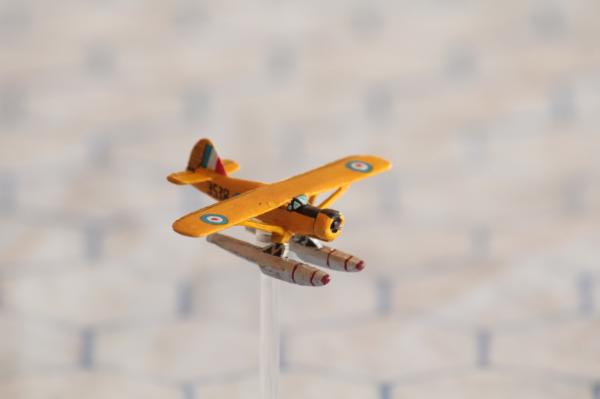
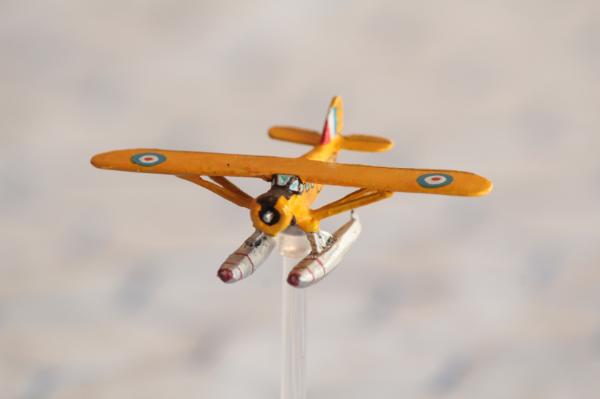
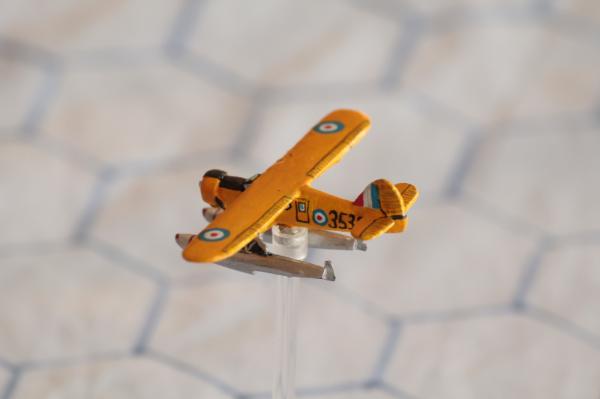
The Noorduyn Norseman was a Canadian-built bush plane. Designed to be fitted with floats, skis or wheels it was a versatile little utility craft.

The RCAF used them for radio and navigational training as part of the Commonwealth Air Training Programme as well as for general utility and patrol in the remote and arctic conditions the Norseman was designed for. Orders were also furnished for the RAF and the USAAF and the Norseman saw service anywhere that a rugged and dependable bush plane was needed from Alaska to the UK.

It was aboard one such UK based Norseman (though not one equipped with floats) that Major Glenn Miller, director of the famous United States Army Air Forces Band disappeared crossing the English Channel. He was on his way to Paris to prepare for a big Christmas show. It is suspected that an iced up carburettor may have caused the crash. TIGHAR (The International Group for Historic Aircraft Recovery) have taken an interest in the incident and have been investigating the case since January 2019.

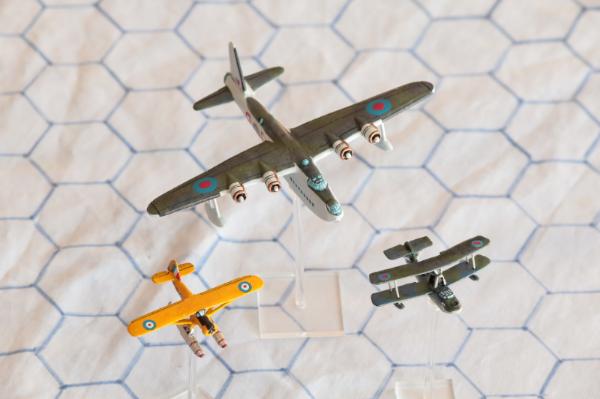
And here's both along with the RAF Walrus being the only other commonwealth flying boat in my collection. Nice bit of variety there.

On to the Americans then.

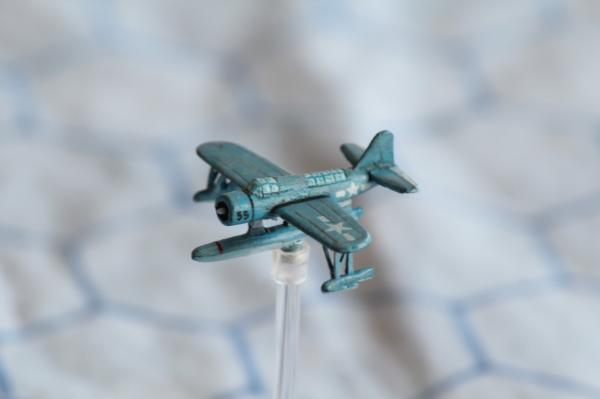
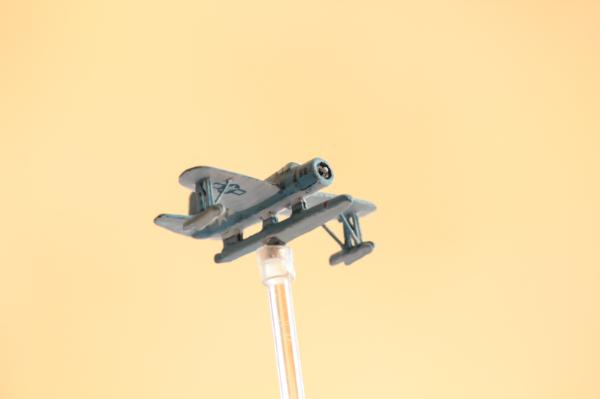
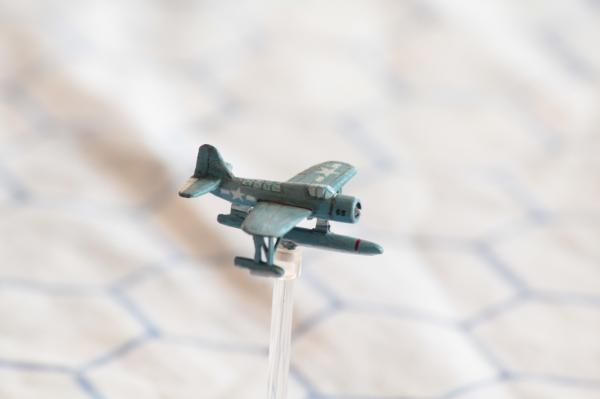
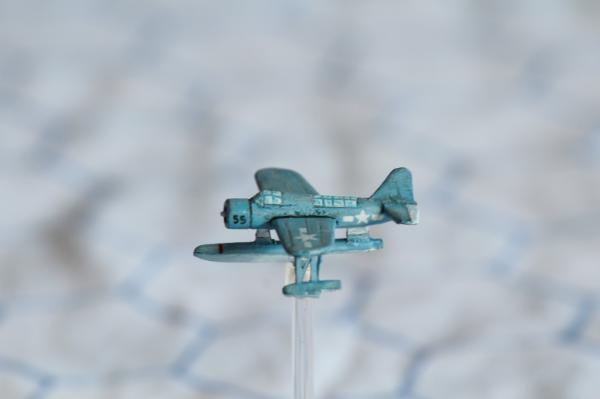
Vought OS2U Kingfisher
The US Navy's own modest little observation floatplane the Kingfisher could be catapult launched from a battleship or cruiser and used to spot for naval gunnery or to rescue men in the water. It wasn't fast and it wasn't well armed making it easy prey for any opportunistic Japanese fighter that happened upon one. Nevertheless Kingfisher pilots and radio men put it all on the line to get the job done.

One such pilot was Lt. John Burns of the Observation Squadron (VO) 6 from the battleship North Carolina (BB 55) who together with his Radioman Aubrey J. Gill was flying in support of an American air raid on the Japanese port on the Island of Truk, 1st May 1944. Reports of downed airmen in the bay saw them dare a rescue under fire while the attack continued overhead.

As more American airmen splashed down the little Kingfisher taxied around the bay from life raft to life raft eventually collecting up seven stranded men. With the aircraft heavily overloaded and the men carefully balanced along the wings they were struggling to remain afloat never mind any hope of getting airborne.

None the less Burns resolved to taxi the craft out of the bay and into deeper waters where after a pretty hairy five hour wait with the waves beating the little plane apart all nine men were picked up by the American Submarine Tang . With the rescued Zoomies safely below deck the Tang's gunners sank the Kingfisher (they couldn't leave it for the enemy to recover) before the Tang continued her patrol.


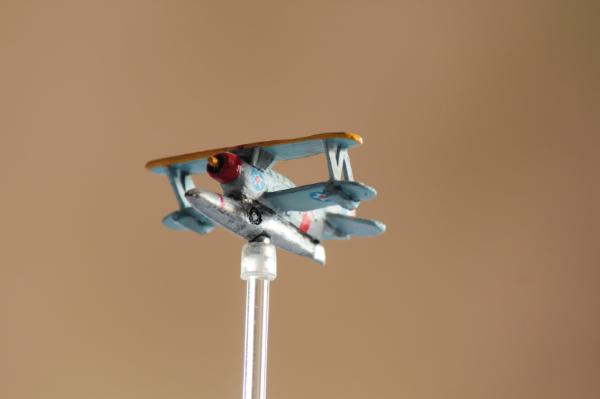
Grumman J2F Duck
One of the unsung heroes of the American war effort. Maybe not as modern, fast or glamorous as some of the other planes in the US Armed forces inventory but Grumman's old single engine amphibious bi-plane was the definitive utility plane.

It first flew in the early 30s but by the time The War was on it was a mainstay workhorse of the US Navy, Marine Corps and Coast guard, with dedicated versions produced for each. It could do mapping and Photo reconnaissance, scouting and observation, anti-submarine patrol and Air Sea Rescue. Ducks transported the wounded and the VIPs alike, towed targets and dropped bombs and depth charges.

As Grumman switched production to other more important projects the old Ducks muddled through in service all throughout the war and beyond all over the world and in as many different roles as could be found. Some remained airborne as late as the mid 50s.


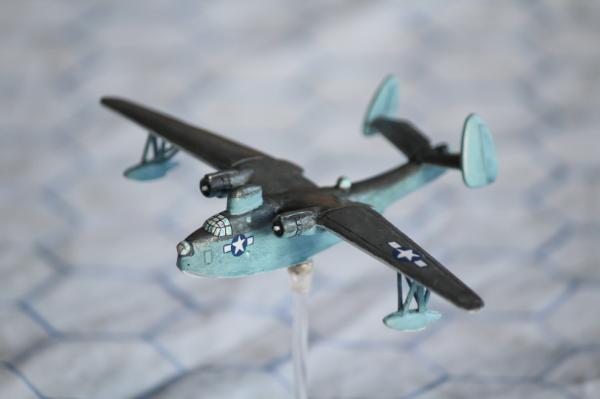
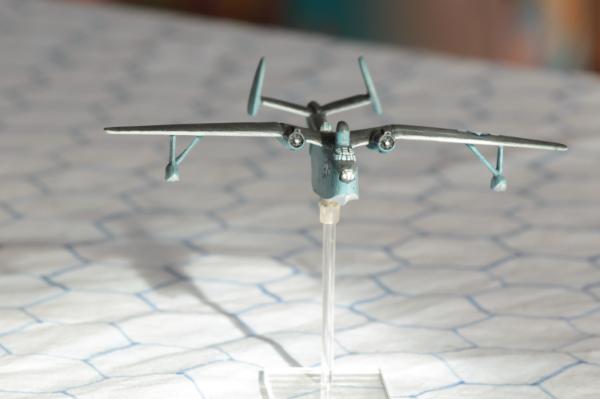
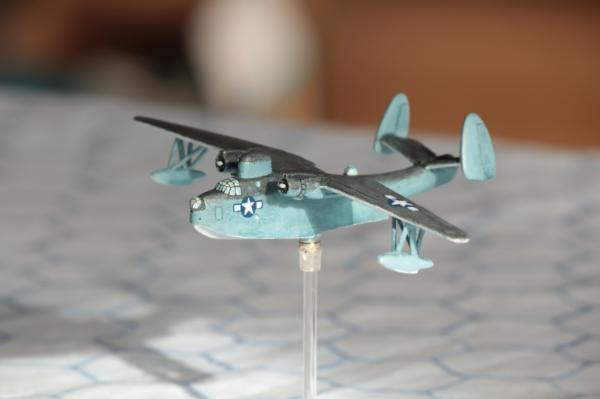
Martin PBM Mariner
An often overlooked hero of the Pacific this big bruiser of a Patrol Bomber became one of the most commonly used flying boats of the US Navy. The Mariner had a much bigger capacity and a longer operational range than the (more glamorous and more celebrated) PBY Catalina which it replaced squadron by squadron as soon as numbers could be built.
f
Trouble was, and it seems obvious looking at this thing, that it was a four-engine sized airframe with only two engines albeit two massive Wright R-2600 radials. Successive versions were upgraded and up-powered time and again but often additional radar and landing gear would offset the improvements leaving them woefully underpowered and accident prone.

Fully laden and fully fuelled for a 2,000 mile maritime patrol these ungainly whales required a huge length of water to get their hulls into the air. So much so that later versions would require rocket or jet assisted take off.


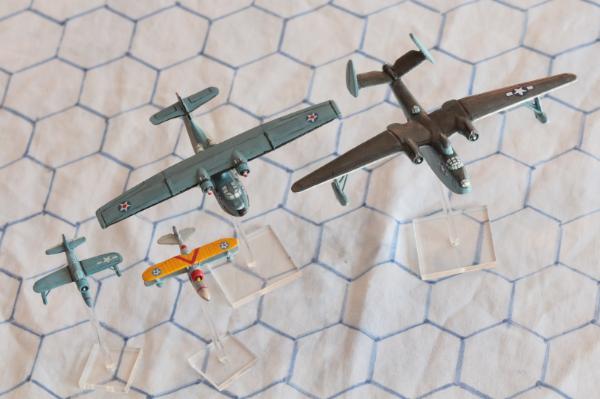
And here's all the Americans together joined by my PBY Catalina. Another nice selection of very individual designs in use by US forces.


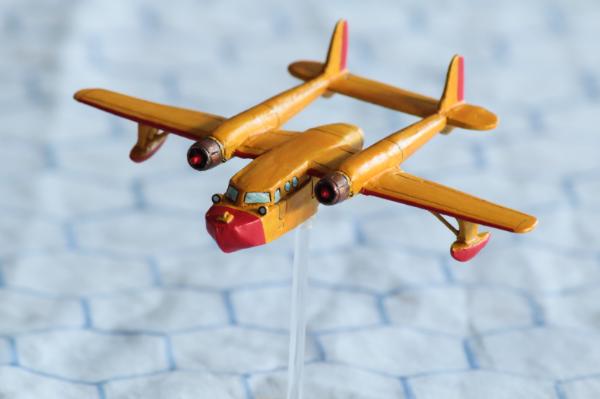
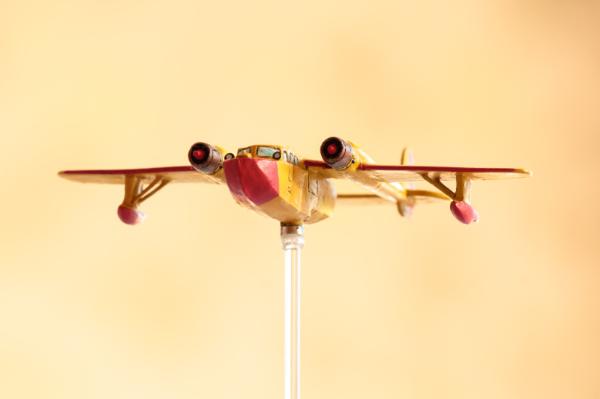
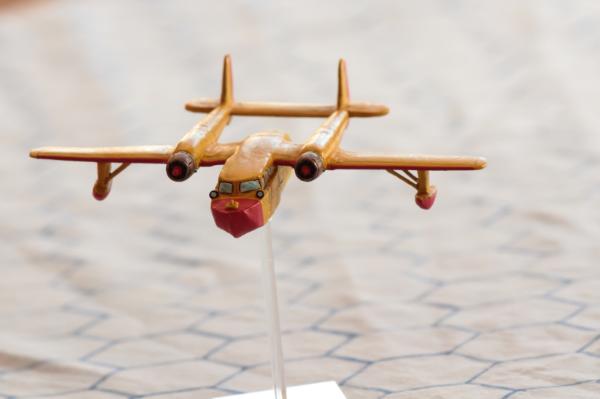
Conwing L-16 Seaduck
The once iconic Conwing L-16 was, by 1938 a bit long in the tooth but some veteran pilots still swore by them and maintained these highly versatile cargo and transport seaplanes despite the appearance of faster and more specialised aircraft on the market.

The Seaduck was owned by a commercial freight company called "Higher for Hire" operating out of Cape Suzette on the coast of Usland. Her veteran pilot Baloo the Bear (call-sign Papa Bear) and navigator, a young former pirate called Kit Cloudkicker operated a particularly hazardous route often at risk of air pirates and raiders. But the trusty old Seaduck was a rugged and capable machine that never let them down.


Never quite sure where to put a French aircraft when it's an Allies/Axis split so seeing as I've got two floating Frenchies I'm throwing one in here and the other in with the Axis later.

The Latécoère 298 was designed for the French Navy for maritime patrol and torpedoing German Submarines. In the early months of the war, the Phoney War they did plenty of patrolling but didn't manage to sink anything.

It wasn't until May 1940 when equipped for dive bombing against the invading armoured columns that the Navy's Laté 298's had much more success. In fact their losses on such missions were fewer than those of French squadrons equipped with other types.

The Laté 298 was one of France's more successful designs. Weather captured by the Luftwaffe, flying under Vichy colours or defecting to the Allies in North Africa thy were a welcome addition to any squadron they equipped.

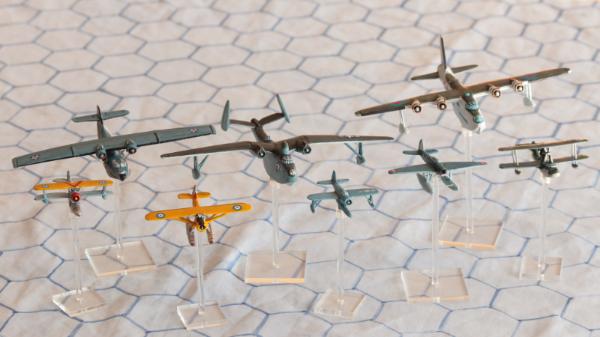
So that's the Allies new additions. Adding to my old Supermarine Walruss and Consolidated PBY Catalina (still a firm favourite) it's a fairly wide overview of some of the water-based machines in use by the Allies throughout the war.


And of course the Seaduck is really from the Disney Saturday morning cartoon Talespin! But you all knew that, right?

This message was edited 1 time. Last update was at 2020/01/27 23:52:10


Made in gb
Liberated Grot Land Raida


Northern Ireland

Tales of the Gold Monkey looks like a lot of fun. But before my time maybe or it was never shown in the UK. I've never heard of it before anyway though I'm sure I'd enjoy it. Looks like they used a Gruman Goose though. I looked for one of those but neither Scotia nor H&R do them.
Made in gb
Liberated Grot Land Raida


Northern Ireland

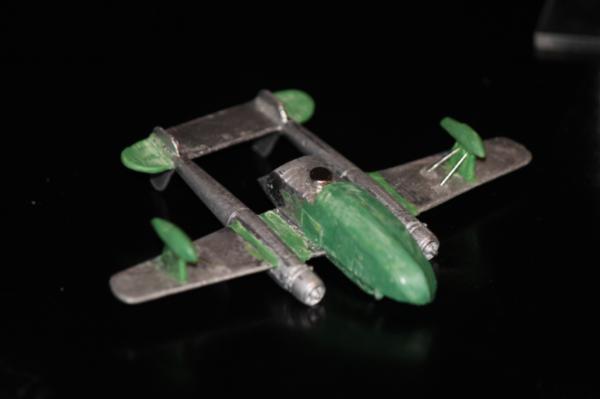
I took some WIP shots of the process of making the Seaduck because it was a bit of a faff and involved a bit more cutting and filing and greenstuffing than I had originally imagined. Not complaining, I love it really.

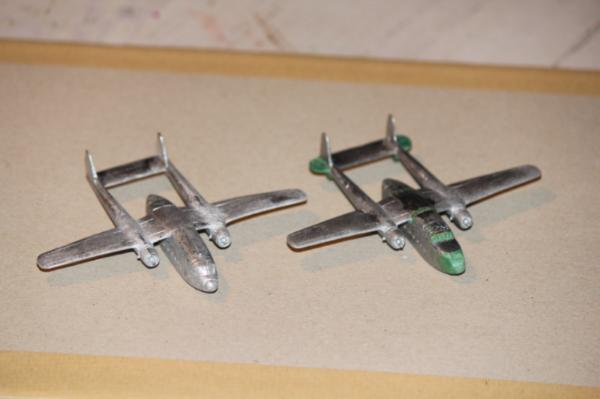
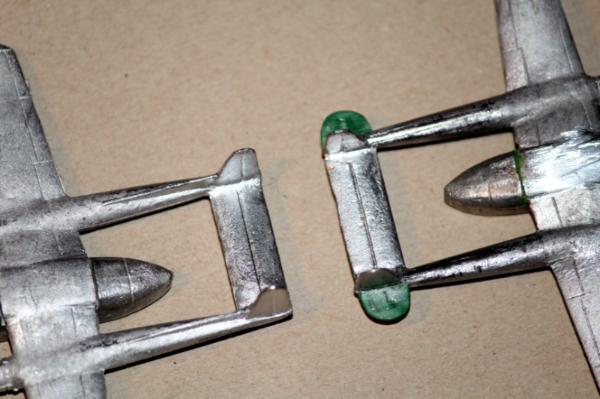
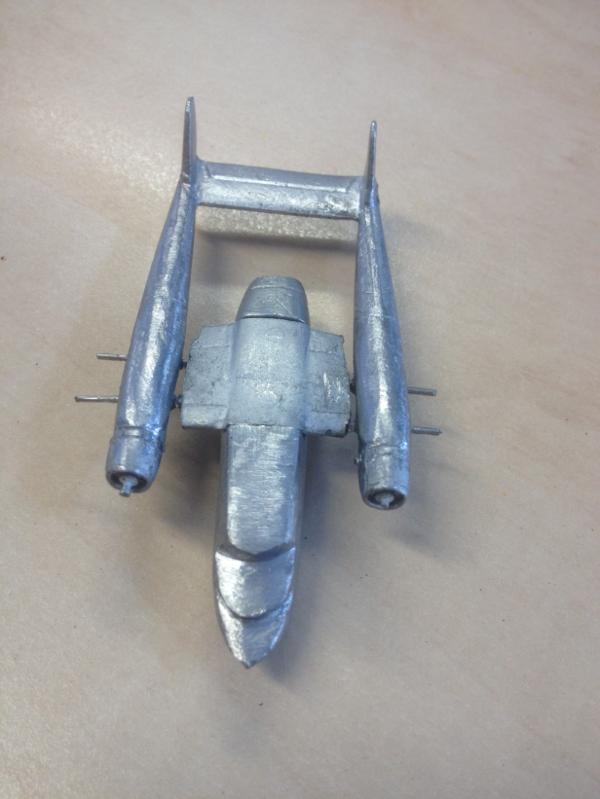
So I started out with a Fairchild C-119 Packet from Scotia Grendel. I got 2 of them so I could use one for the Seaduck and add the other one to my WW2 planes collection. But then there was a problem. The C-119 isn't a Packet at all (that's a C-82) but a post-war era Flying Boxcar! The C-119 also saw some success in Vietnam as a ground support gunship. But obviously I couldn't have that (I could, let's be real here it would've been fine and I know, I can have a fictional Disney Seaduck in my WW2 planes but not a 1947 version of a late war obscurity?) but I wanted the proper 1945 WW2 era Fairchild C-82 Packet. So I got to work retrofitting the Flying Boxcar back to the earlier model.


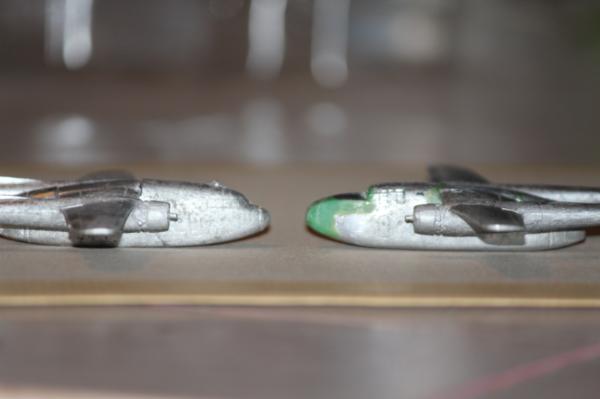
The C-82 had the cockpit up high and further back. So that meant a lot of filing and a good bit of greenstuff remodelling on the front end. The nose is a bit on the long side I think but it's close enough.


And then the tail end got a bit of a retrofit too adding back the outboard fins and removing some dorsal reinforcements.


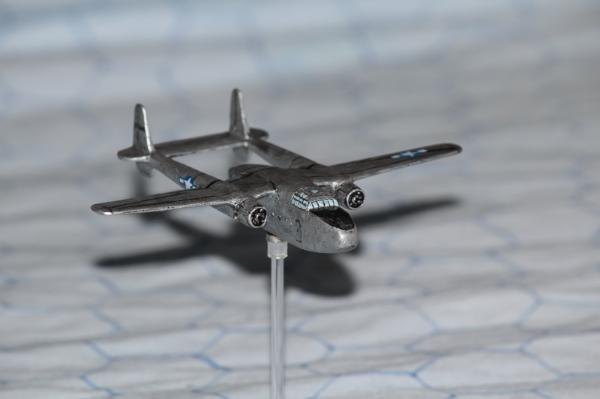
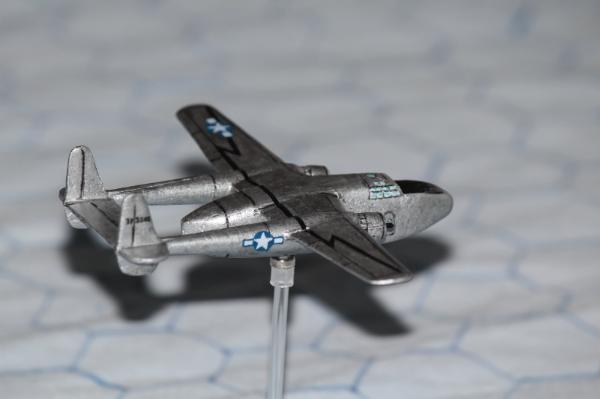
Until here we have it at last. A proper crap-like-it-used-to-be Fairchild C-82 Packet.

The Fairchild C-82 Packet was a late war cargo and troop transport rushed into production in 1945 in anticipation of the airlift requirements for the invasion of Japan. In the end only a handful were built and in service when the surrender of Japan was achieved making them a little surplus to requirements. They were also used for paratroop training and as glider tugs and had various civilian cargo and transport operators.

But as expected with a big airframe rushed into production in wartime conditions the old Packet had plenty of problems including poor forward visibility from the cockpit, underpowered engines which when fully loaded could not maintain a level flight if one engine failed, as well as numerable deficiencies in the air frame all of which was addressed in the C-119 redesign which ultimately produced a much more effective aircraft.

So confusion from SG aside the C-119 was none the less a perfectly suitable airframe to form the basis for my Seaduck.

So first off I got the saw out and chopped the wings off the engine nacelles and mounted them a little lower down.

I also began a seemingly endless task of filing the front of the fuselage down to something resembling the right shape and size.

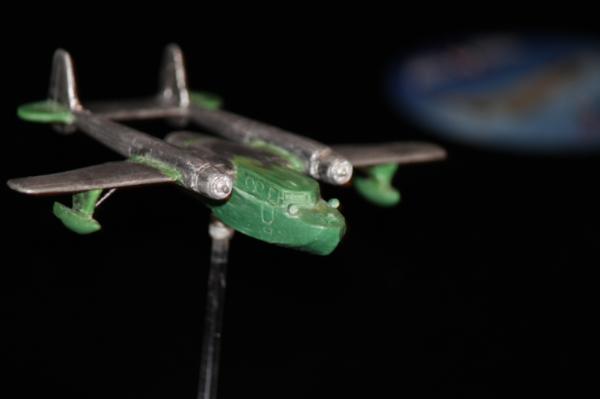
Once the wings were back on and the whole lots secured and smoothed out with plenty of greenstuff I got to work on the underside. That required a full flying boat hull modification and more greenstuff on wire armatures for floats under the wings.

Then finally it was a greenstuff job on the top side, all around the cockpit and the wide flat nose with big headlights (really Disney?) and a rope point too.

Then the tail got the same treatment as the C-82 though really it should've had a more rounded tail fin but I was losing the plot by now and just decided enough was enough. It was time to slap a big yellow paint job on it.


So there it is. Pretty happy with the end result on both of these although the Seaduck is maybe a bit bigger than a 1:300 scale Seaduck should be. Doesn't matter though, it's not like I'm about to start modelling a little Don Karnage and the Sky Pirates to match... Unless...

Made in gb
Liberated Grot Land Raida


Northern Ireland

Back once again with my latest collection of 1:300 offerings. This time as promised it's flying boats and floatplanes of the Axis.

I have a few of these in my collection already which you may already have seen.


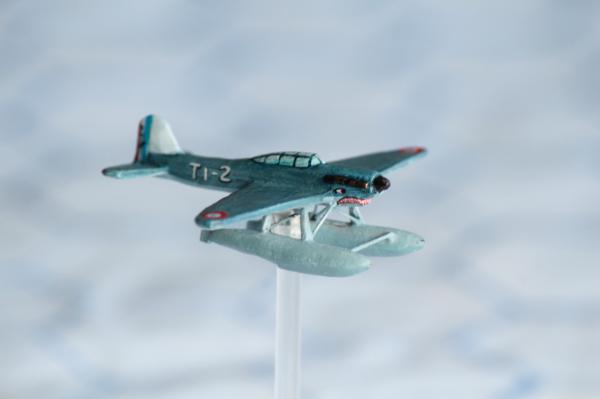
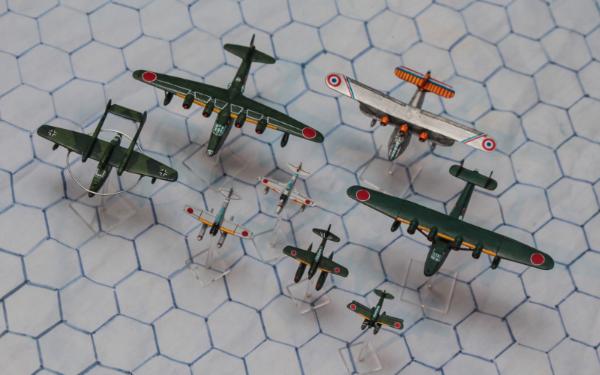
Here we have the German aircraft Arado 196, Dornier Do 24, Heinkel He 59 and the Italians, CANT Z506 Airone and CANT Z.501 Gabbiano. Details for all those will be back in previous posts.

So of course we're obviously short a good few Japanese ones there so unsurprisingly the vast majority of this new batch of Axis float planes and flying boats are of course Japanese.


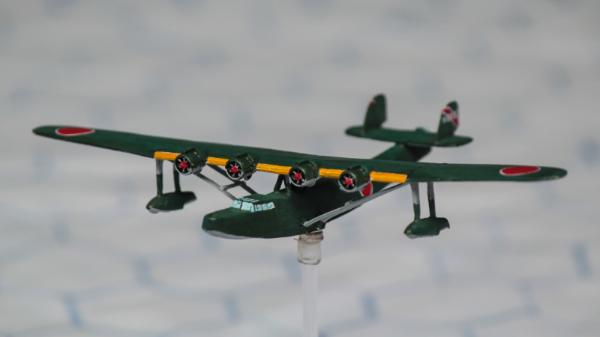
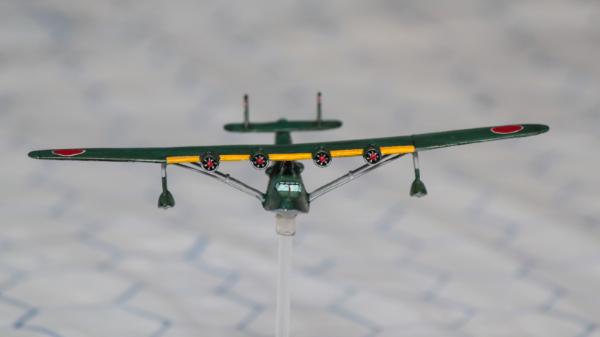
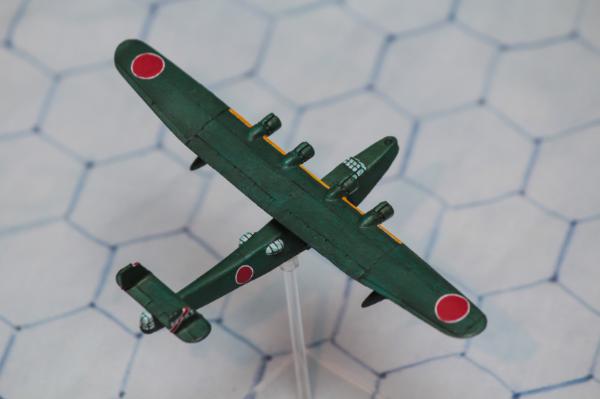
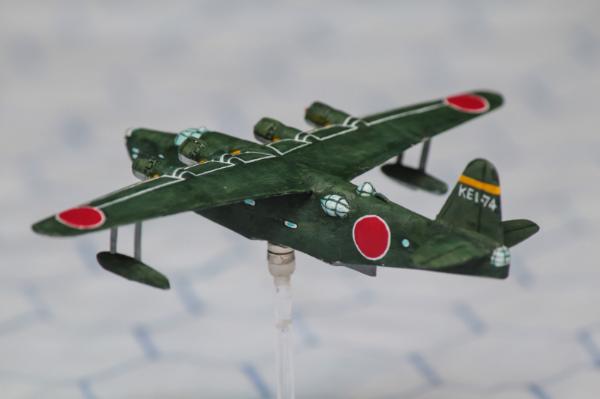
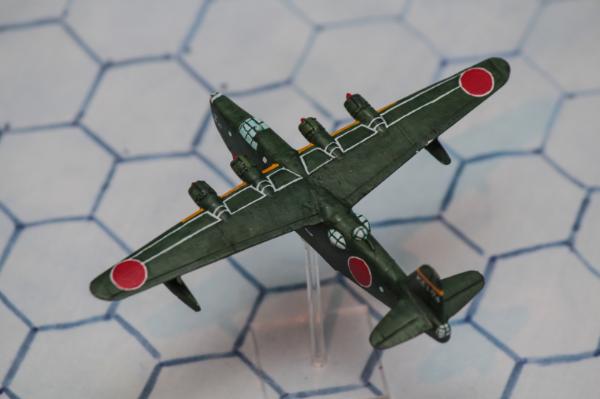
So let's get into these. The first of my Japanese seaplanes is the Kawanishi H6K Type 97 (allied codename"Mavis")

When I first saw a picture of this flying boat I just knew I had to have one and was delighted to find one in the always excellent Scotia Grendel Collectair range.

A great big high wing flying boat in a similar vein to the German Do 24, but scaled up to a four engine design for maximum Pacific patrol range. A crew of 9 could take this baby out on a 24hr patrol covering over 2500 nautical miles of range. They served all throughout the war as front line bombers, transports and reconnaissance patrol planes.


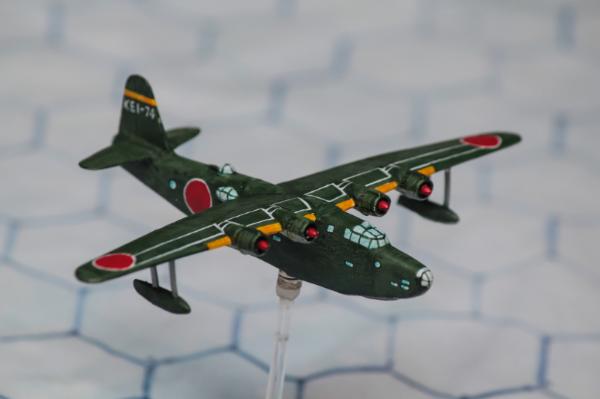
As allied fighters began to get the better of the old Mavis its front line duties were taken over by a newer and more modern design, the Kawanishi H8K known to the allies as "Emily"

Emily was a big girl, another great four engined flying boat, this time more like the Short Sunderland, and as with the Sunderland enemy fighters had a healthy respect for its defensive capabilities. The Emily is often consider the very best of the big maritime patrol planes of the era.

On 4 March 1942, two Emily flying boats each carrying four 250Kg bombs conducted the longest ever two-plane bombing mission ever flown to date. Departing from the Marshal Islands they flew a round trip of over 7000km in an attempt to conduct reconnaissance over Pear Harbour and disrupt ongoing salvage and clean up operations following the infamous raid of Dec 7th.

They were ultimately unsuccessful in their navigation, their bombs falling well off the mark and causing no casualties. They did however highlight the need for increased defences. A second attempt a week later resulted in one Emily being intercepted and shot down by Brewster Buffaloes near Midway Atoll.

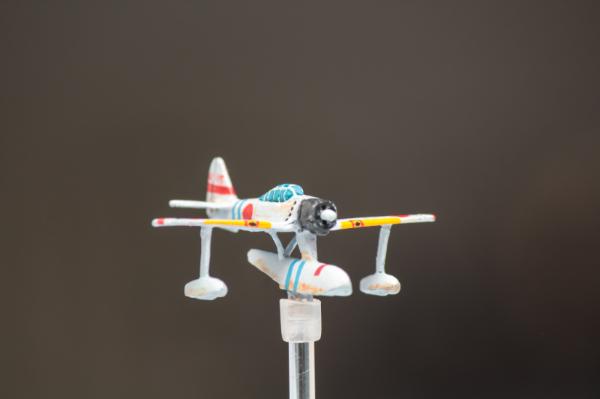
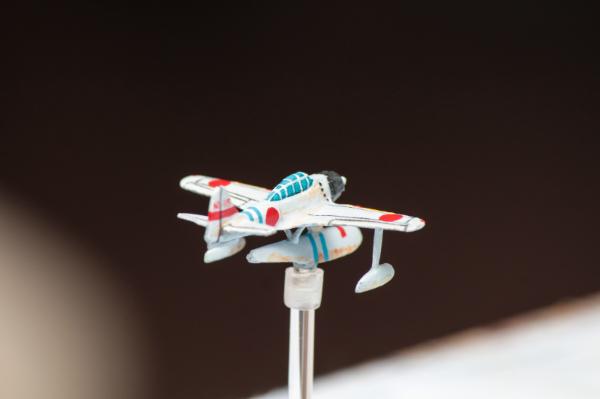
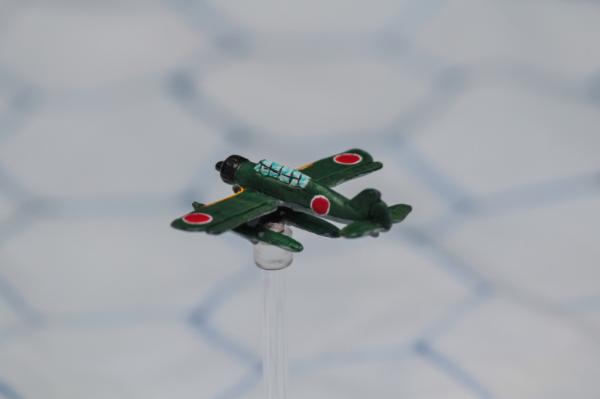
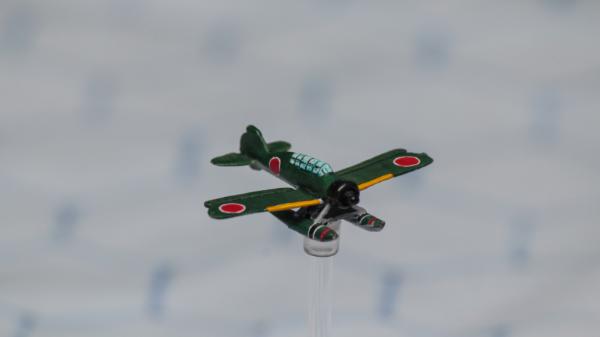
Sticking with Imperial Japan but looking to the smaller end of the spectrum I've got the Nakajima A6M2-N (Navy Type 2 Interceptor/Fighter-Bomber) Allied codename "Rufe".

The concept was something of a rarity in that no other nation opted for a dedicated floatplane fighter/interceptor, but it's hardly surprising given the realities of prosecuting a war in the Pacific.

Based on the Mitsubishi A6M Zero the floatplane version had a large central float with outboard stabilisers under each wing. They were mainly used in a defensive interceptor role protecting remote island bases but also saw action with seaplane carriers in the Indian Ocean acting as fighter-bombers and short reconnaissance support for amphibious landings.

As allied fighter cover increased throughout the Pacific campaign the Rufe, encumbered with the extra drag of its floats just couldn't stand the pace and those that weren't destroyed outright fell back to the defence of the home islands.


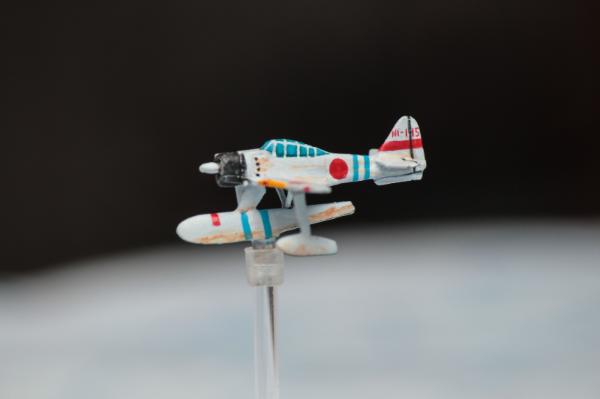
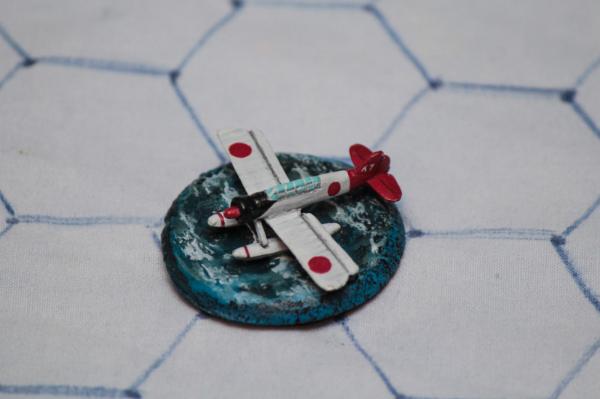
This is the Aichi E13A, code named "Jake" the most numerous of Japan's long-range reconnaissance seaplanes.

The Jake was the Imperial Japanese Navy's multi purpose workhorse used for all kinds of transport, sea rescue, scouting ahead of the fleet, general spotting and occasional combat duties.

They operated off seaplane tenders and battleships as well as island bases. They weren't particularly well armed with only a single defensive machine gun however some carried air-to-surface radar and had a downward pointing 20mm cannon to attack American PT boats. They could also carry bombs or depth charges and so were quite capable of ruining your day of encountered at sea.

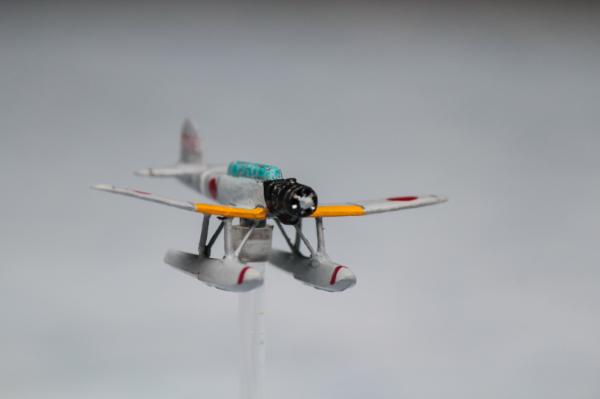
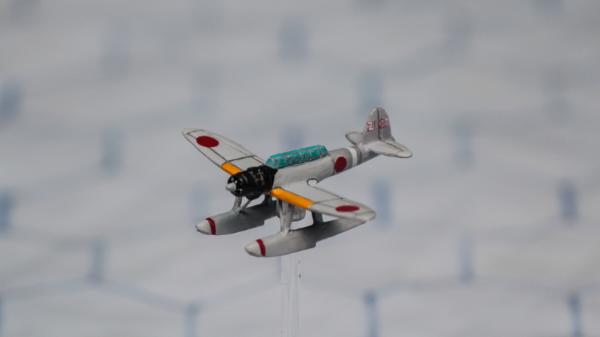
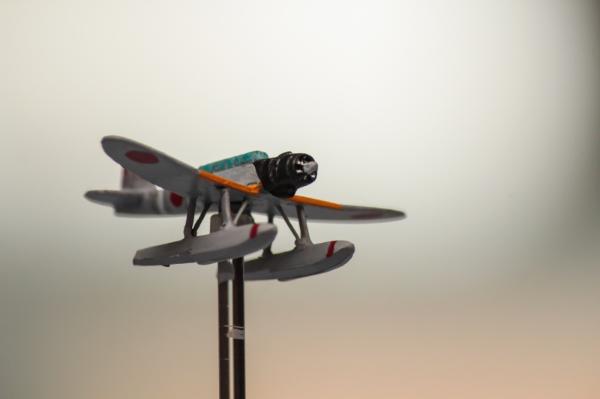
Another small Japanese floatplane next. This is the Yokosuka E14Y (allied codename "Glen").

The Glen was designed to be carried aboard an I-15 series submarine. Once within range of they were assembled and catapult launched to be flown over enemy territory on photo reconnaissance. With the photos in the can the little float plane would come down beside the submarine, be winched aboard and stowed away or simply abandoned and sunk with the crew and valuable photos safely on board the submarine.


This "Glen" was flown by Nobuo Fujita who was the only enemy airman to bomb the US mainland. On September 9, 1942 Fujita dropped incendiary bombs over southern Oregon in an attempt to start forest fires. It wasn't a very effective attempt and the local fire brigade dealt with it quickly.

Later in life Fujita was invited to return to the little town of Brookings Oregon where he received a warm welcome. He planted a tree at the site where he had bombed and raised money for a library that now displays his family's 400 year old katana. He was made an honorary citizen of Brookings shortly before his death in 1998.

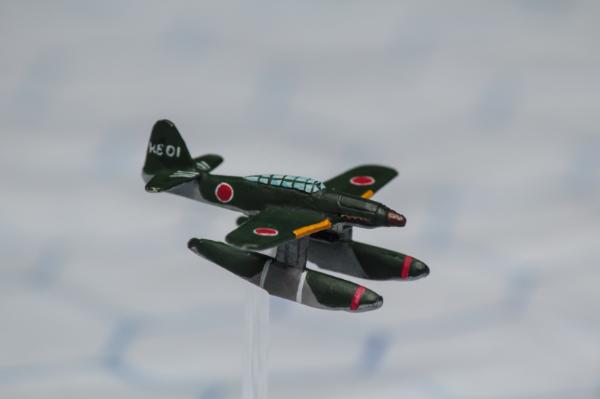
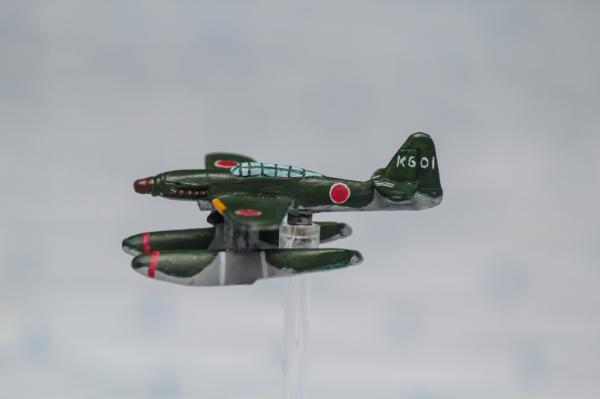
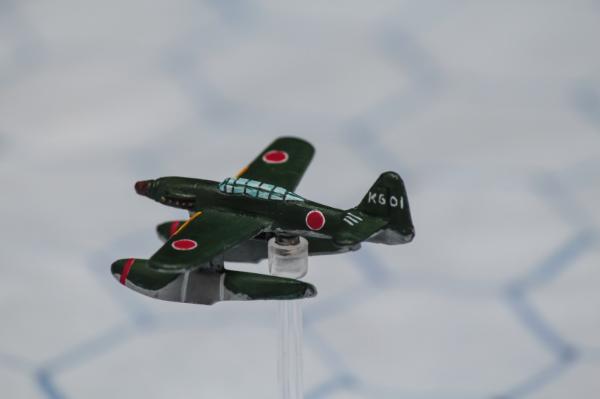
And the last of my Japanese floatplanes is the Aichi M6A Seiran attack floatplane.

This was an upscaled and altogether more lethal submarine launched concept along the same lines as the Glen, but intended to operate from the much larger I-400 class submarines. Their original mission was to conduct aerial attacks against the United States.

The story of the design and operation of the Seiran tracks the course of the war for the Japanese quite well. Initially designed with a fixed float undercarriage these attack planes would be able to land beside their submarine carriers once their mission was complete to be re-stowed aboard. However as defences mounted around their intended targets it was deemed prudent that the pilots should have the option to jettison the floats if they encountered enemy fighters, their unhampered performance helping their chances of reaching and bombing their target.
In fact, they soon concluded, why launch with floats at all if they would only be a hinderance? They would of course have to ditch in the sea on their return to the submarine but the pilots could be recovered. The aircraft would be sacrificed for the sake of the mission.

Soon however the situation became desperate and the pilots noted the modifications now taking place on their machines. Now, not only were the floats detached but the bombs were to be permanently fixed in place. Evidently the top brass estimated their best chance of achieving mission success was by sacrificing both man and machine. In the end however their training was for naught as the Japanese surrender came before the submarine launched aerial attack could go ahead. The Seirans were decommissioned, launched into the sea unassembled, before the three huge I-400 submarines were surrendered to the US Navy.

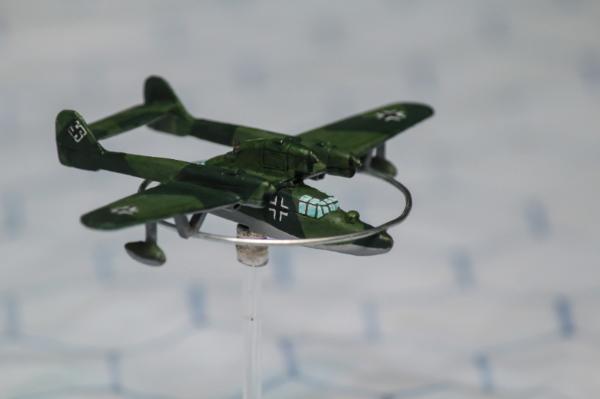
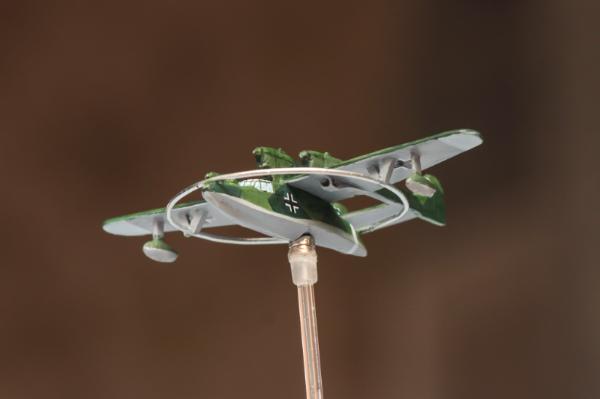
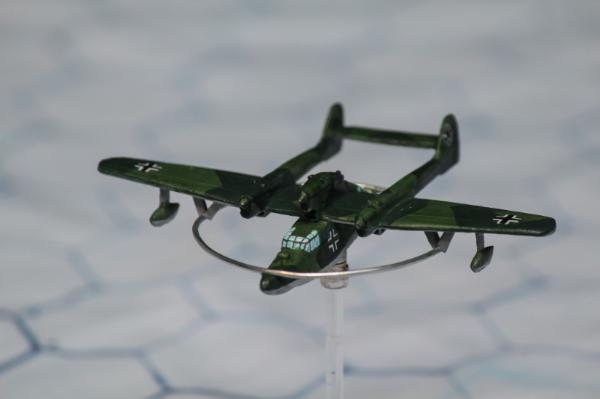
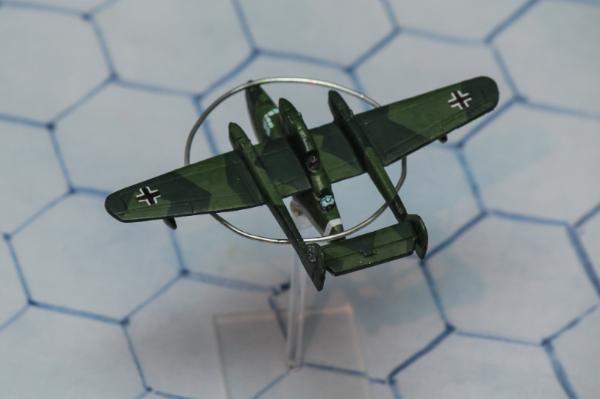
Next up its a classic of German seaplane design the tri-motor Blohm & Voss Bv 138 Seedrache.

Not content with a cool name like SeaDragon the Germans always known for their comedy wit named it "die fliegende Holzschuh"
(The Flying Cog) because of the shape of the hull.

The Seedrache was Germany's primary maritime reconnaissance and patrol seaplane with 297 built. It was an unconventional design to say the least but as it turned out a very versatile one. It was big enough to carry up to ten passengers, very handy for sea rescue, but that weight capacity could also be used for bombs, depth charges or for anti-shipping patrols. Or for radar equipment to hunt in conjunction with submarine groups. Some were also fitted with degaussing rings for mine sweeping. (Like this one- that's what the big loop is.)

The man behind the design was evidently quite the unconventional thinker. But of course not everyone appreciated his particular taste in aeronautical design. A British journal by the name of Aeroplane printed this piece of poetic criticism beside a picture of a Bv 138.
Richard Vogt, that original man,

Turns out aeroplanes uglier than
Most any other designer can.
Here is shown on Baltic Sea
A typical Vogt monstrosity—
The One-Three-Eight by B. & V.


I'd have to say I heartily disagree, but haters gonna hate.


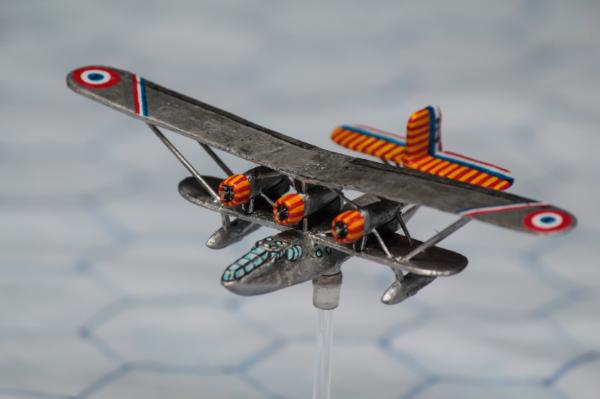
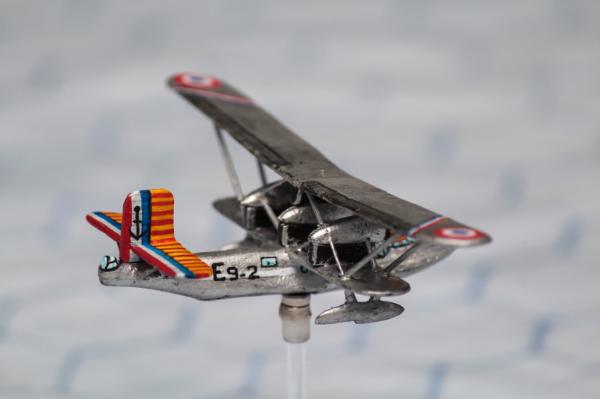
And a final entry bring up the rear it's a big French boat in Vichy striped pyjamas.

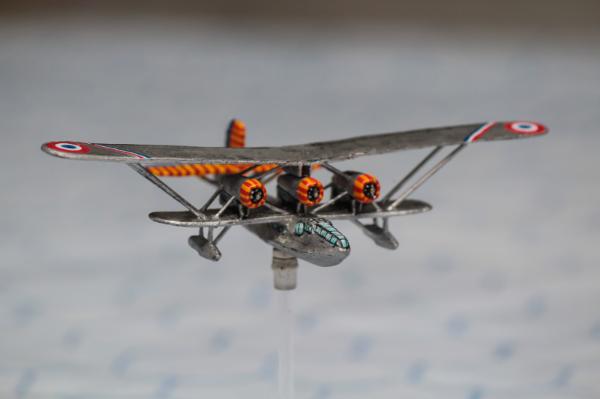
The Bréguet 521 Bizerte was a big Tri-motor flying boat developed for the French Navy and initially deployed with five squadrons for all manner of long range maritime reconnaissance and submarine hunting. They sported five defensive machine guns including one in a tail gunner's position and could carry a bomb load of up to 300kg.

It continued in service under Vichy control with a dozen serving in the Mediterranean. They were useful and well designed machines and Luftwaffe also used some to supply Seenotdienst sea rescue units off the French Atlantic coast.

This miniature it has to be said was a bit of a nightmare to build. Its mostly made of wire and glue and in honesty the whole front end was a bit off and took some green stuff modification to bring it into shape. Not that I'm criticising the excellent sculpting and quality of the product, I'm honestly very impressed with the skill and workmanship and the huge range on offer. Some minis just take a bit more work than others and this was certainly one of those.

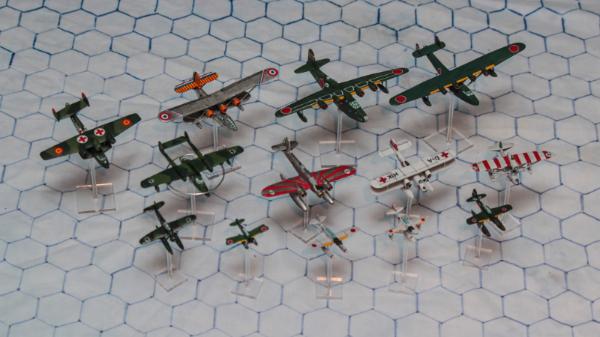
So that's it for the Axis floaty boaty planes. Here's a big shot of the whole lot all together.

It's been lots of fun taking to the maritime skies with both sides. There have been some excellent planes available at this scale to allow me to explore the subject quite expansively.

I'm going to take a break from 1:300 planes for a while. Got lots more still to do but I'll wait for the enthusiasm to resurface after a bit of something else for a while. Do let me know what you think as always, and thanks for visiting the gallery.
Made in gb
Liberated Grot Land Raida


Northern Ireland

You're very welcome as ever. Not sure where to take this next. I'm taking some time out from planes doing a bit more classic 28mm stuff but hopefully it'll not be too long getting the bug for these again. Still plenty of planes to paint and amazing stories to tell.
Made in gb
Liberated Grot Land Raida


Northern Ireland

eddieazrael wrote:Bit of a necro/thread crash, but this is such a great resource I think it fits here best. This is the master template issued to manufacturers by the Ministry of Production for camouflage for all British WW2 aircraft - if you're painting tiny weeny scale planes, this covers you for everything from an Avro Anson to a Vickers Vildebeeste!


Thanks ed, what a fantastic resource! And thanks for the necrobump.

Kid_Kyoto wrote:
Later in life Fujita was invited to return to the little town of Brookings Oregon where he received a warm welcome. He planted a tree at the site where he had bombed and raised money for a library that now displays his family's 400 year old katana. He was made an honorary citizen of Brookings shortly before his death in 1998.


One of my favorite stories from the war.


Yeah, it's a great story. I love discovering these great human stories through hobby interests.

Sadly no more planes yet. I've discovered a love of sculpting little furry critters for burrows and badgers. But now I'm moving house so that project in on hold now too. Plenty more planes still to paint some day when the notion strikes or situation best suits. Got some RAF heroes, Poles and PR planes lined up. (Read: in storage awaiting a move!)
Made in gb
Liberated Grot Land Raida


Northern Ireland

Back once again after a huge two + years hiatus. And bringing us back to the tiny planes big history scene it’s the round of the eye in the sky, often unarmed but never unimportant… It’s Aerial Reconnaissance planes.

We’ve met a few of these already in our previous mentions.


We’ve seen Imperial Japan’s little submarine-carried “Glens” and France’s Potez 63.11 of the Aèriens d'Observation, as well as numerous other planes like Mosquitos and P-38s whose contributions as photo reconnaissance platforms were every bit as vital to success as their bombing or attack roles.

But we’re here for the newly painted planes in the collection.


So let’s look at some of these new additions and as ever enjoy some great stories from the history of WW2 along the way.


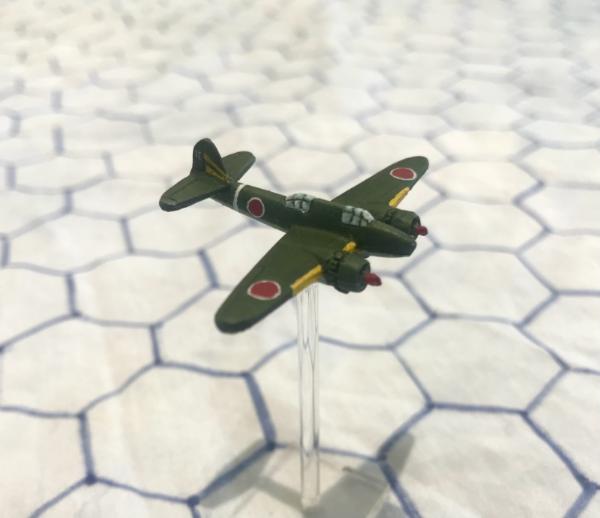
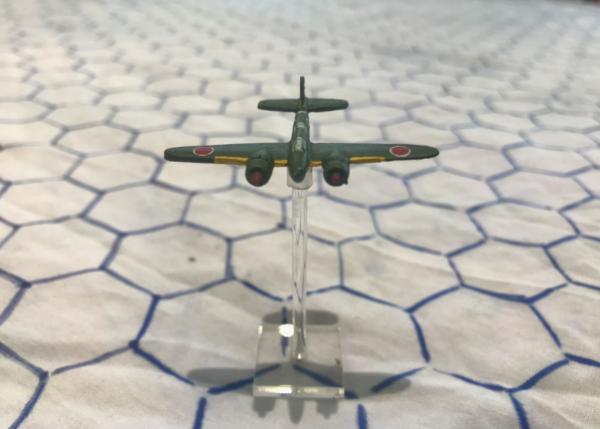
Ki-46-High speed long range photo reconnaissance - Allied code name “Dinah”


In 1939 Imperial Japanese top brass ordered a fast reconnaissance platform with long range endurance of 6 hours. The Ki-46 was the result and at the time could outpace the fastest Japanese fighters but as faster American fighters like the P-38 came online it had to be upgraded supercharged and redesigned in an effort to keep up.


Earlier designs had one defensive machine gun which was soon eliminated to save weight and increase speed. When you’re faster than your pursuer you don’t stay around to fight over the photos you’ve just taken.


British planes in Burma had a hard time countering these fast, high altitude planes through there were some occasional interceptions. One notable example was by P-38 fighter ace Major Dick Bong over the coast of Papua New Guinea in late 1942.


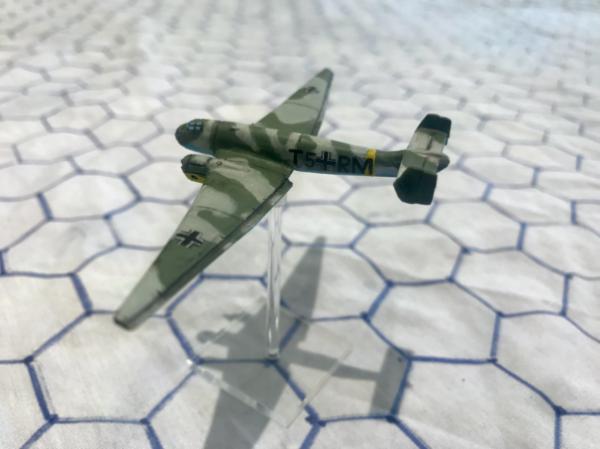
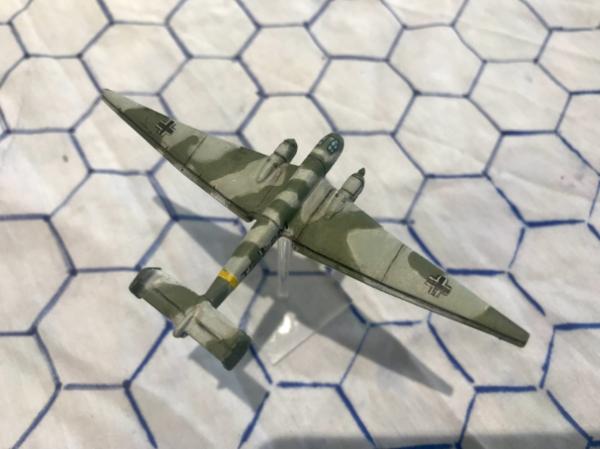
Ju 86 P- Luftwaffe -High Altitude Photo Reconnaissance -Eastern front.


Many PR aircraft weren’t so straight forward in their genesis. The German Ju 86 began life as an airliner (though that’s maybe a somewhat dubious claim when the Nazi war machine was being prepared in the civilian sector with the “honestly that’s not bomb capacity that’s for mail bags” school of design.


Early field testing with the Condor Legion in the Spanish civil war proved the Ju 86 wasn’t the medium bomber they’d hoped for, the He 111 winning out on that front.
The Ju 86 was converted to transport duties but failed badly at that too and any survivors were relegated to training roles.


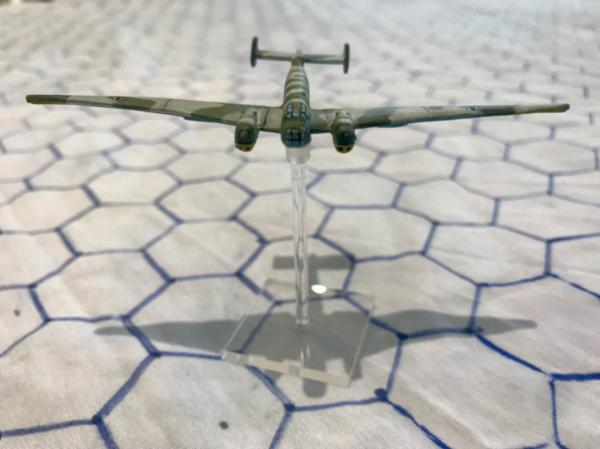
One variant that saw some success however was this Ju 86P- with longer wings and a pressurised cabin no guns and a crew of two these aircraft could reach an altitude of 49,000 ft where they were largely safe from enemy fighters.

This example is a paint scheme used when flying over Russia in July 1942. They operated successfully in both the photo reconnaissance and nuisance bombing role for some years over Britain, Russia and North Africa while Allied engineers developed high altitude interceptors to try to deal with them.


AR 707 of 431 Flight -Martin Maryland- Flight Officer Adrian Warburton


Once it was said that the RAF’s most valuable pilot was not some hotshot fighter ace or even the leader of a crack bomber squadron, but this guy, photo reconnaissance pilot Adrian Warburton. Based primarily in Malta during some of the hairiest times for the Mediterranean campaign this fearless and resourceful pilot would do absolutely anything to get the job done.


Early in his time at Malta Warburton flew this captured French Martin Maryland (an American plane sold to the French captured by the British and sent to Malta!) which, although designed as a light bomber, in the hands of the right pilot became an invaluable tool for aerial reconnaissance.


Warburton became something of a Malta legend through his unconventional and often highly aggressive methods. His planned photographic sweep of Taranto Harbour on 11 November 1040 was hampered by bad weather but unwilling to call it a bust he instead opted to fly in at mast-top level, ordering his crew to take notes with pencil and paper on the distribution of Italian ships, completing two passed the second (unsurprisingly) under heavy flack, in order to secure the vital intelligence needed for the subsequent raid.


So effective and indeed famous did his efforts become that he was even used as cover for other intelligence assets in the field in order to keep them secret.
“How did we come by these extremely close and detailed photographs of enemy installations? Do we have a man on the ground behind enemy lines?”
“Oh no old chap, it was our man Warby in his PR plane.” *Wink wink* *actually just plausible enough to be almost true*


B-17 E - Old 666 - The Eager Beavers- 43rd Bomb Group -New Guinea 1943


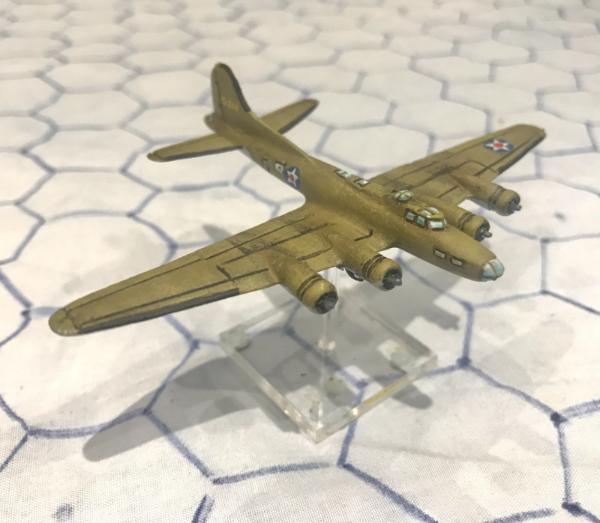
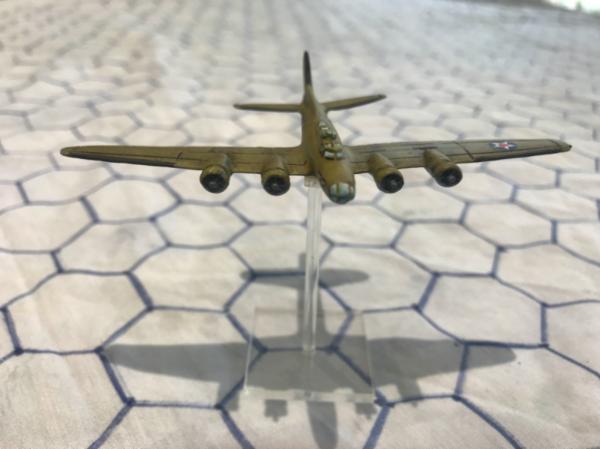
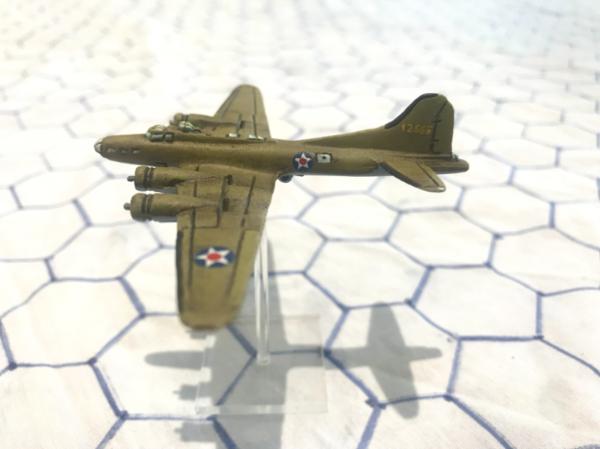
On the 16 June 1943 pilot Captain Jay Zeamer's aircrew “The Eager Beavers” flew a solo photo recon mission in B-17 #41-2666, known as “Old 666” to map the west coast of Bougainville Island in support of an invasion planned for later in the year.
The mission would earn pilot Cap Jay Zeamer and 2nd Lt. Joseph Sarnoski each a Medal of Honour (Sarnoski posthumously) and all other members of the aircrew the Distinguished Service Cross.


Having turned down the request to also photograph Buka Airdrome to the North of the Island they arrived on the west coast too early for light conditions to be any good for photos and so Zeamer and his crew decided to go kick the hornets nest and do the Buka Airdrome recon job anyway.


While the cameras rolled the newly arrived Zeros at Buka Airdrome scrambled into the air. But the crew of Old 666 were more than ready for them, having stripped the old B-17 of every scrap of dead weight they’d fitted no fewer than nineteen .50calibre machine guns! (A standard load out could be more like 13 .30 cals)


With the Buka Zeros climbing to meet them (mapping altitude at 25,000 feet) Zeamer had to fly the western coast line straight and level for 22 minutes to allow the cameras to record terrain. During this time the enemy planes made a series of attacks, their 20mm cannon shells wrecking terrible damage on the nose of Old 666 leaving both pilot Zeamer and bombardier Sarnoski badly injured as well as navigator, 1st Lt. Ruby Johnston and Sgt. Johnny Able in the top gun turret. The B-17’s nose was left in tatters the hydraulics were shot and the oxygen system was in flames.
But Zeamer held his course and once the vital shots were in the can it was time to drop to a breathable altitude and beat it for home. The dogfight continued with the crew of Old 666 giving as good as they got surviving an estimated 40 minutes before the remaining Japanese fighters, low on fuel turned back to base.


The crew nursed the battered plane back to a hairy no-flaps landing at Dobodura on the eastern coast of Papua, NewGuinea securing the vital reconnaissance and importantly ensuring no other aircrew would have to take another stab at it.


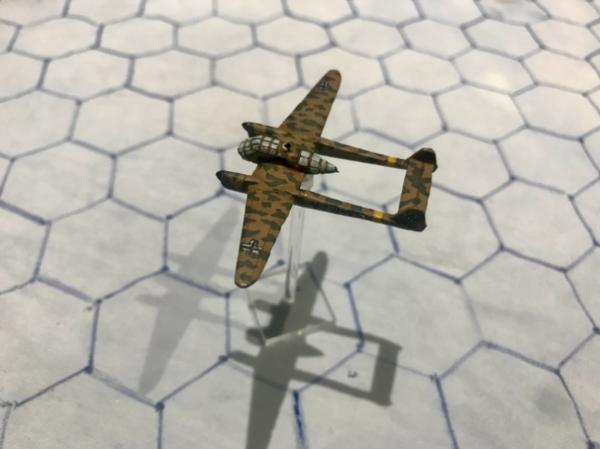
Focke Wulf Fw 189 and Blohm & Voss Bv 141


Next up it’s a story of two planes. 1937, the German Ministry of Aviation issued a specification for a new three-man, single-engine short-range reconnaissance aircraft. Arado and Focke-Wulf received official invitations to design for this contract but Dr Richard Vogt of Blohm & Voss crashed the party with a spectacularly unconventional design of his own. (But wait that’s three, well Arado’s Ar 198 was a conventional high-wing monoplane that fit the brief however, it was disappointingly underpowered but perhaps more significantly it was boring! So, like the Reichsluftfahrtministerium I’m leaving it out.)
On with interesting designs!


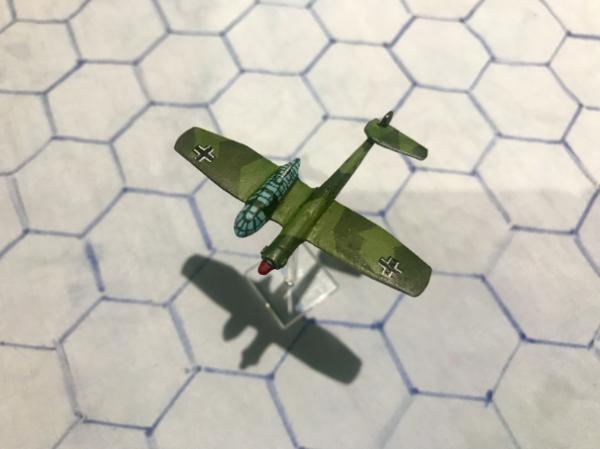
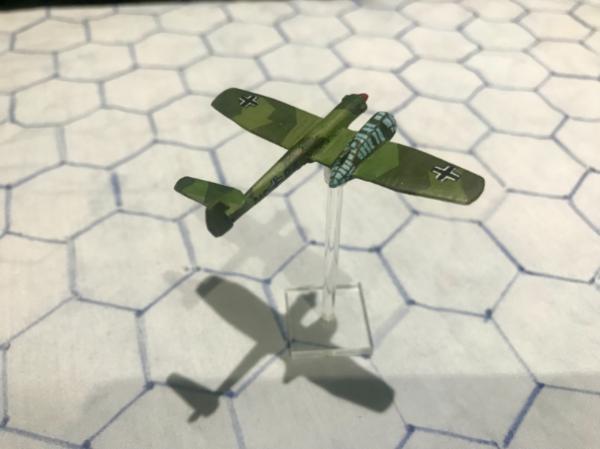
First up we have to talk about the weirdest silhouette to ever appear on a Friend or Foe identification chart, Blohm & Voss’ Bv 141.


You’d be forgiven for thinking that the engineering of powered aircraft was a rather symmetrical affair but Dr Vogt knew otherwise and, throwing his book of aeronautical conventions out the window he came up with this instead.


This three-man, one engine, greenhouse with wings followed the brief pretty well but it needed some creative refinement and a bigger engine to convince the top-Brass that “unconventional” didn’t always mean totally nuts.
In the end supply of the aircraft’s BMW 801 engine was a sticking point as they couldn’t be spared from Fw 190 production (oh really Focke-Wulf? Scared of a little healthy competition are we?) and perhaps unsurprisingly the contract went to the Fw 189 Uhu instead, (Nice try Dr Vogt, you’ll have to find some other way to bankroll the Nazi war machine with your private funds.) but not before production numbers were into double figures with an order of twenty of this strange new bird being placed ensuring that Allied plane-spotters knew for sure that if you saw this thing in the sky it shouldn’t be there.

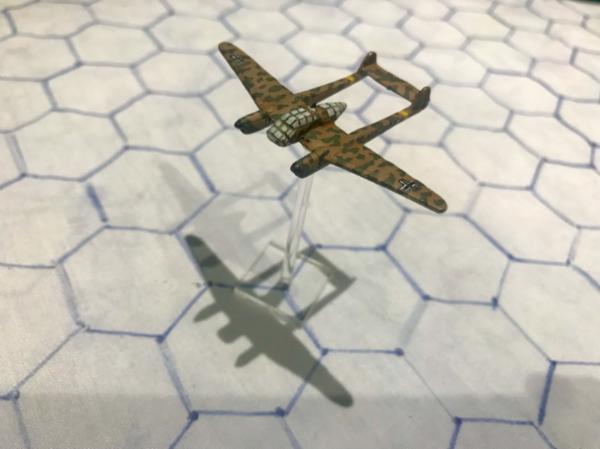
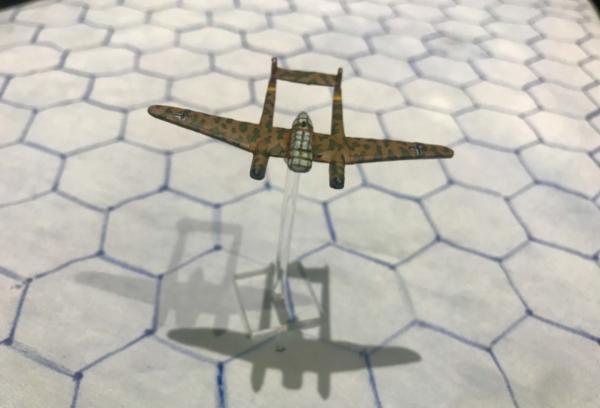
So what of the Fw 189 Uhu?


It didn’t fit the spec, with its twin-engine design but it performed admirably and maybe more importantly looked like an airplane.

Not content with their sneaky tactics in securing the reccon plane contract Focke-Wulf entered their own flying greenhouse into the RLM tender for a Ground-Attack plane too. Unsurprisingly, plexiglass not offering much protection from ground fire the contract went elsewhere. (Interestingly the Henschel Hs 129 that won that contract used the same twin Argus As 410 engines as the Fw 189. I guess they didn’t get to pull that same trick twice.)


Not that it put much of a dampener on things for Fw, with over eight hundred Uhu’s produced they supplied the short range eye-in-the-sky needs of Germany and its allies, providing aerial reconnaissance for the airforces of Hungary, Slovakia, Bulgaria, and Romania.

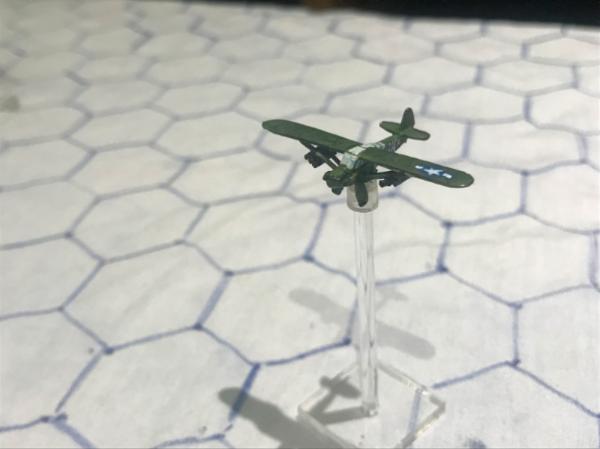
Piper L-4 Grasshopper - "Bazooka Charlie"
Lt. Col. Charles Carpenter was a United States Army observation pilot assigned an L-4 Grasshopper for artillery spotter role and reconnaissance missions in France 1944.

Not content to do the spotting and let the artillery do the shooting he hooked up three bazookas under each wing and delighted in shooting up German armoured cars and tanks. (He was officially credited with destroying 6 German tanks)


He noticed a marked increase in the amount of ground fire directed toward his Piper Cub as his reputation grew among the enemy armoured brigades. He took that to mean his Bazookas were causing them some concern, as they never used to bother spotter planes much before that.


Rosie The Rocketer as his aircraft was affectionately known was preserved in the Austrian Aviation Museum and is now on public display restored back to its WW2 appearance at the Collings Foundation's American Heritage Museum Massachusetts.

PR Spitfire - 16 Squadron -Low cloud-level reconnaissance -1944


One of the most successful PR platforms developed by the RAF was a modified Spitfire.
Removing all armament and fitting additional fuel tanks the Spitfire became a quick and nimble camera platform that could reach as far as Berlin if need be.


These nifty spies in the skies could operate at high medium or low altitudes and could be equipped with a variety of cameras depending on the types of images required including an oblique mounted camera on the port side for low level images such as the famous picture of the Würzburg radar at Bruneval or of the Tirpitz moored in Aasfjord, Norway.


This is a Spitfire of 16 Squadron, painted a very pale pink/white for low, cloud level reconnaissance. On 18 Sep 44 Wing Commander G.F.H. WEBB from HQ 34 Wing was flying Spitfire PL834 of 16 Squadron and captured the famous Aerial reconnaissance photo of the Armhem Road Bridge, showing signs of the British defence on the northern ramp and wrecked German vehicles from the previous day's fighting.


The photos could be an invaluable resource, however as the planning and execution of Market Garden might suggest you can take all the photos you want but it’s what you do with them that counts.

This message was edited 1 time. Last update was at 2022/09/26 07:34:03


Made in gb
Liberated Grot Land Raida


Northern Ireland

Cheers Kid_K. It’s good to know I’m not just yelling into the void about stuff that happened 80 years ago.

Just about ready to drop my next post. Keep ‘em peeled for more folks.

This message was edited 1 time. Last update was at 2022/09/30 12:48:40


Made in gb
Liberated Grot Land Raida


Northern Ireland

Polish Airforce in WW2 - Part One.

This time we’re looking at some firsts. The first aerial combat of the war, the first aircraft shot down, the first Allied Ace pilot and the first bombing strike on German home territory. It can only be the first armed invasion of the war. Yes that’s right, like the Luftwaffe in September 1939 we’re turning our sights on the Polish Air Force.

Now I had heard, and perhaps you did too that the vast majority of the Polish Airforce was caught flat footed and destroyed on the ground as the Luftwaffe’s bombers made their lightning advance into Poland. Contrary to the Nazi propaganda the Polish Airforce had in fact dispersed a significant amount of its combat aircraft to secondary airfields and the remaining aircraft destroyed by German bombers on the old airfields were mostly trainers.

So what had the Polish Airforce got at their disposal? Lets look at these late 30’s lovelies.


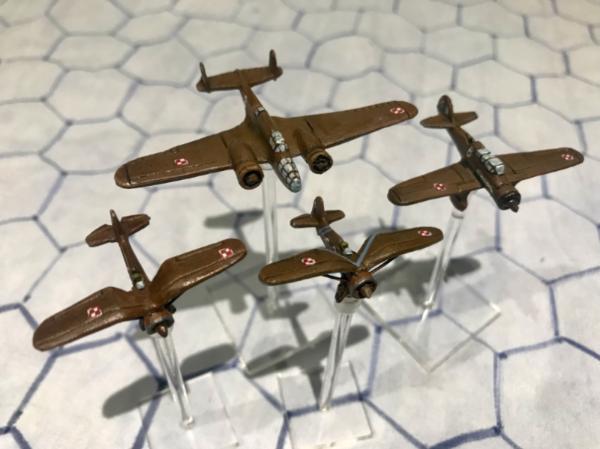
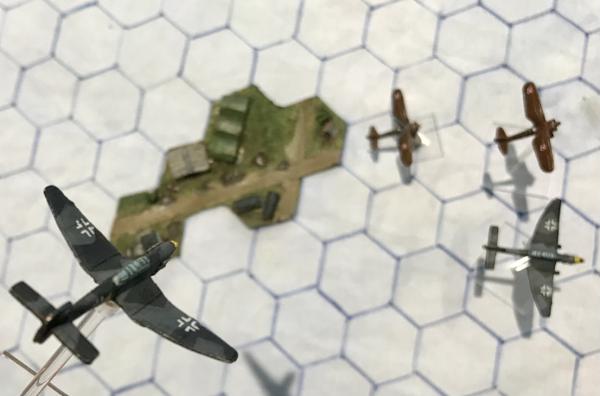
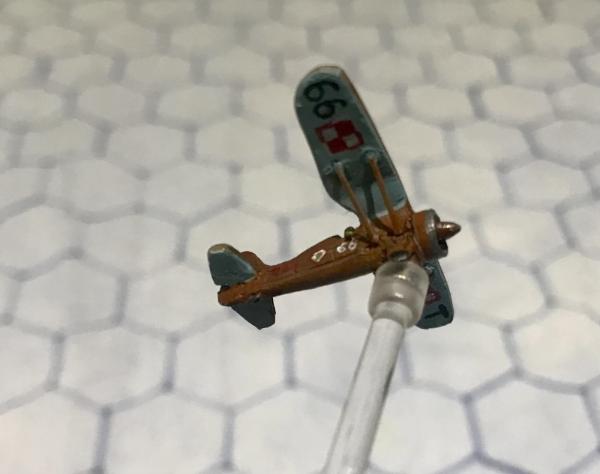
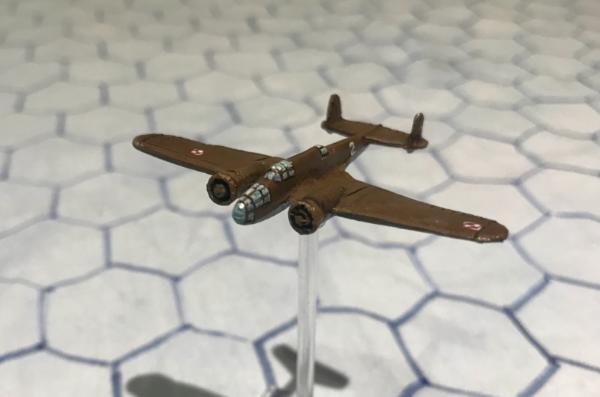
PZL P.11, PZL.23B Karas, and PZL.37 Los

Now you would be forgiven for thinking the Polish airforce had been well behind the times fielding this lot against the German war machine but let’s not be too hasty.


In the mid 30s the Polish Air ministry could read the writing on the wall and were already shifting from French designed aircraft to those designed and built by their own Zygmunt Pulawski. First the PZL P.7 and soon after the upgraded and improved PZL P.11 introduced in 1934.


It was an advanced fighter for its time with its all-metal construction, four 7.7 mm machine guns, and gull-winged design. In fact the new “Polish Wing” drew considerable international attention and enjoyed some export success.


This however came at a time when advancements in aircraft design were moving forward at a blistering pace and by 1939 the PZLP.11 although rugged and dependable was already horribly obsolete.


Facing off against the more numerous, more modern and already battle-tested pilots and machines of the Luftwaffe it can hardly be a surprise that a PZL P.11 was the first casualty of the air war when Capt. Mieczyslaw Medwecki’s fighter was shot down while scrambling from the airfield to challenge dive-bombing Stukas on the 1st of September 1939.


However, shortly after this his wingman 2nd Lieutenant Wladek Gnys managed a brilliant solo victory over a pair of Dornier Do-17E bombers of III./KG 77 and thus gained the distinction of obtaining the first two confirmed victories over the Luftwaffe in World War II.


The following day, nine P-11s of 142 Squadron, led by Major Lesnievski, intercepted two formations of Dornier Do 217 following the River Vistula. Attacking head on, the Polish pilots managed to shoot down seven twin-engined bombers, two of them credited to Skalski. By 16 September Skalski reached Flying Ace status, claiming a total of six German aircraft and making him the first Allied air ace of the Second World War.


PZL.23 Karaś
The experience of the Polish-Soviet War 1919-1921 had led the Polish Air Ministry to place a very high emphasis on Aerial Reconnaissance. (They must have read my last post!) As early as 1931 development of this ultra-modern, all-metal construction, cantilevered wing, enclosed cockpit, light bomber and observation aircraft began to take form.


In fact as the drawing board got over-cluttered with so much expectation the poor Karaś was some 5 years in the design and production and only in late 1936 were they rolling out the first production batch. These were to equip the Polish Line Squadrons as their new main light bomber and reconnaissance mount replacing the older French-built fleet. However yet again, in only three short years they were already approaching obsolescence.


None the less, though slower and less manoeuvrable than they might have hoped for the Polish Bomber Escadrilles used their PZL.23s to good effect against the invading columns of German armoured vehicles, delivering upon them an estimated 70 tonnes of explosives though not without heavy losses.


On 2 September 1939, a single PZL.23B of the 21st Escadrille was responsible for the bombing of a German factory in Ohlau, the first bombing raid to be conducted against a target within the Third Reich.

But the Polish Air ministry hadn’t been resting on its laurels holding these old planes would see them through another decade, they had another bomber in development, one that was displayed in Paris in November 1938 that generated huge international interest as one of the most advanced aircraft of its kind.


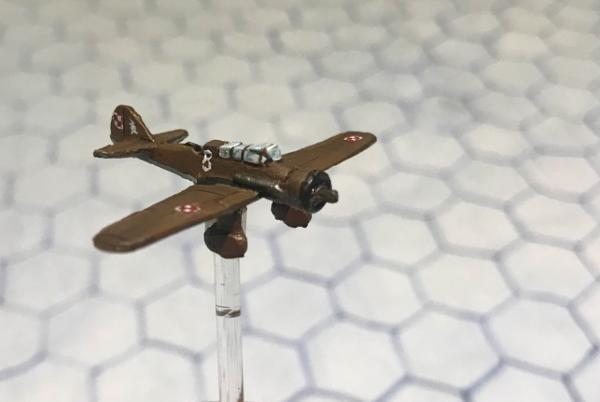
The PZL.37 Los ("Moose")
These bombers were designed by Poland’s own Jerzy Dąbrowski and when the first prototype flew in 1936 it was among the world's more advanced medium bombers, compared to say the French Bloch MB 210 introduced to active duty in the same year. When the first 10 production aircraft were produced in 1938 they were shown off in Paris and generated huge international interest. It could carry a heavier bomb load than the British Vickers Wellington, and thanks to its wide-spaced heavy duty undercarriage it was able to operate from rough grass airfields (although not with a full bomb load) which as it turned out proved essential.


At the outbreak of the war only 90 were in service with another 30 on the production line. But as they had only recently been introduced many were still in training units or still to be fully equipped for the long-range deployment.

The Polish bomber squadrons had some success in slowing the advance of the German armoured columns however this was not what the role these bombers were designed for, and with the typical 30s defensive compliment of only 3 machine guns they were easy prey for Luftwaffe interceptors.


After two weeks of fighting and heavy losses less than thirty PZL.37s survived to be evacuated to Romania where they remained for the rest of the war being used by the Romanian airforce on behalf of both the Axis and then the Allies as the Romanian situation developed.


FRANCE

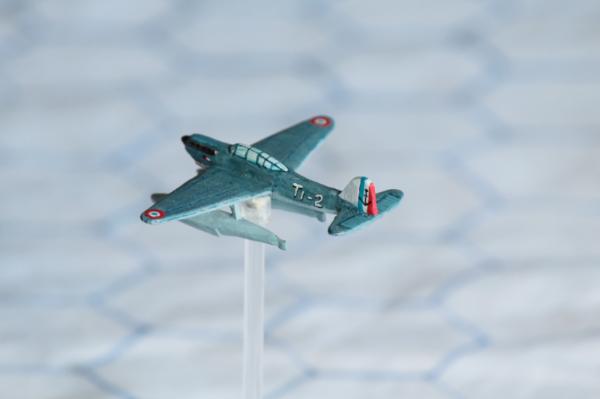
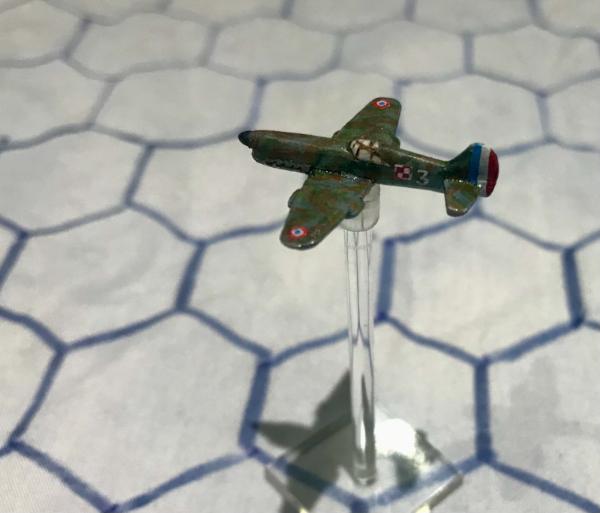
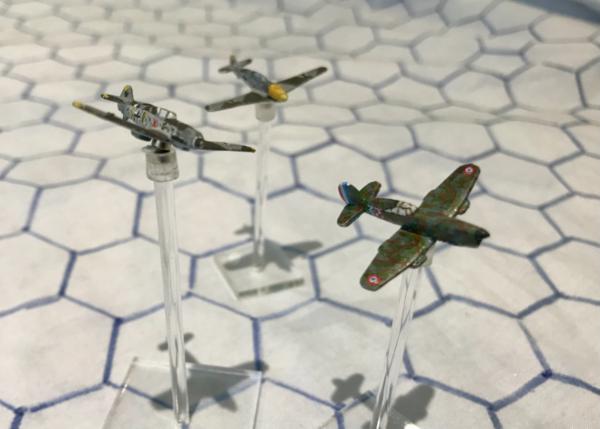
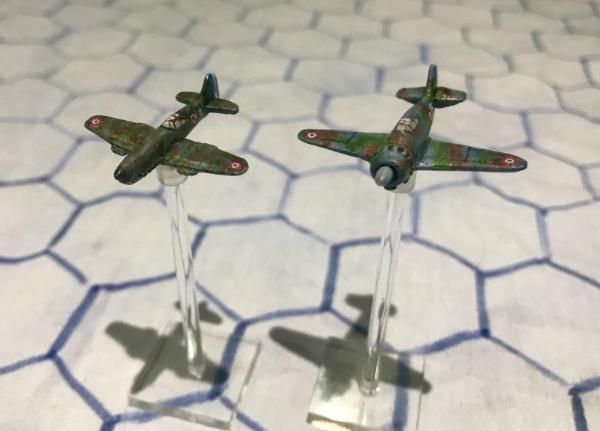
After the fall of Poland, the Polish Air Force started to regroup in France but the only complete unit created before the German attack on France was 145 Fighter Squadron which became known as the 'Warsaw Group'. They were given Caudron C.714 light fighters, the only unit in France operating the C.714 at the time.


Perhaps this was because the Caudron C.714 had proved an absolute lemon, considered only really fit for an advanced trainer or perhaps to equip a reserve unit. However let’s not forget that Germany wasn’t the only potential enemy that France might have had to contend with. Had Franco sent the Spanish Air Force into France or had the Poles been pitted against the Italian Regia Aeronautica their Caudrons might have been able to handle their retrograde CR.42 or I-16 fighters. Against the Luftwaffe however 145 Squadron reported the C.714 was horribly underpowered and faired very badly against the Bf 109E.


On 25 May, only a week after it was introduced, French Minister of War ordered all C.714s to be withdrawn from active service. However as he didn’t provide the Polish pilots with anything else to fly they refused the order and battled on regardless.


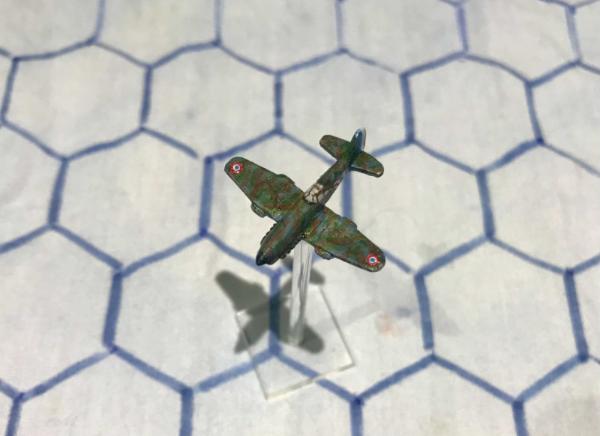
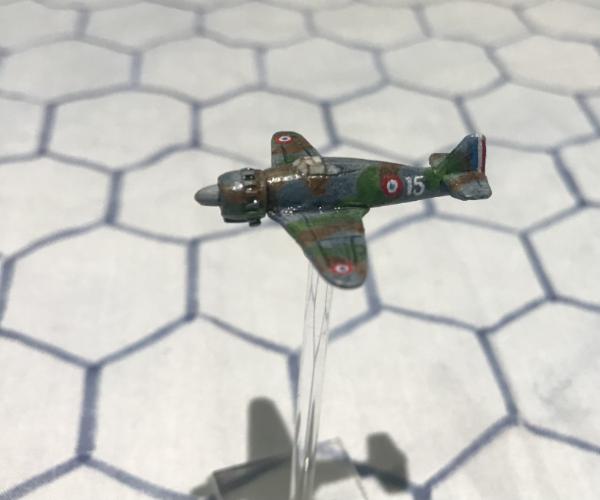
In early June some of the pilots were detached from the squadron and pressed into a newly formed fighter unit created to defend the seat of the Polish Government in Exile in Angers. For this task the unit was re-equipped with Bloch MB.152 fighters.


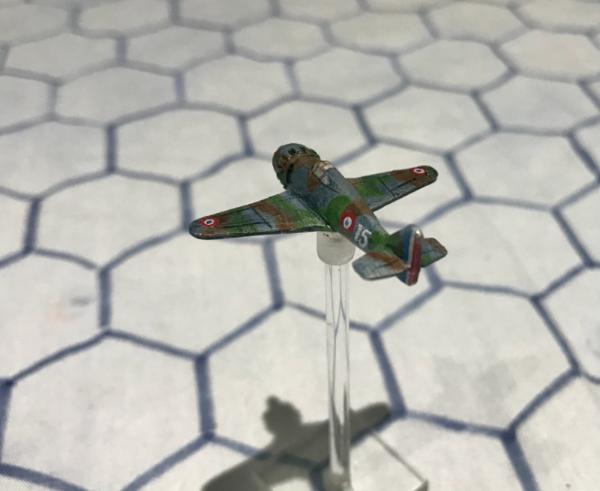
The Bloch MB.152 had been the loser in the French Air Ministry’s 1934 competition for a new fighter. (That went to the MS-406) but the French were desperate for anything that could fly and the type showed just enough promise to warrant a production order.


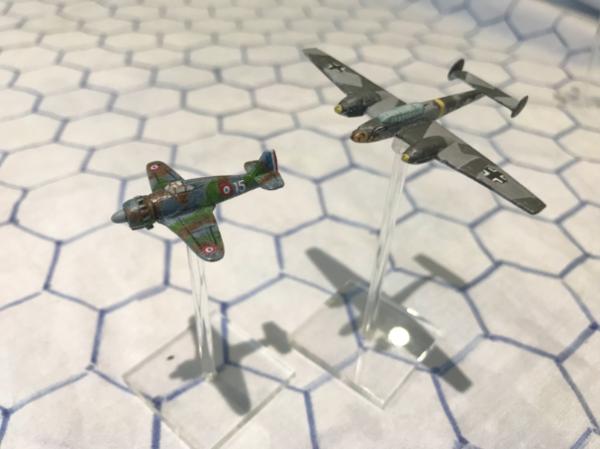
The MB.152 turned out to be a good stable gun platform and was a rugged and dependable machine. It could really take a beating and still fly which was just as well because the MB.152 also lacked pace and manoeuvrability and was sadly overmatched even by the oft-derided Bf 110.


In fact due to its numerous shortcomings all French units equipped with this type suffered heavy losses in the Battle of France and by the third week had to be pulled back from the front to reform.


The air figures for the Battle of France indicate that despite this retrograde equipment the Polish Air Force accounted for 53 allied victories for a loss of 44 machines and 13 pilots. But considering that there were plenty of perfectly serviceable MS-406 fighters already available in reserve, it is strange that French authorities obliged the highly skilled and committed Poles of 145 Squadron to make do with the Caudron and the Bloch.


But as the German war machine pressed inexorably forward and the French air groups ran out of secondary airfields to fall back to the Polish Air Force soon realised that it was time to evacuate once again to the next Allied front, to continue their long war as best they could.

Next time we’ll follow the Polish Air Force over the Channel to the shores of old Blighty and we’ll see how they found life in the RAF and what a legacy they forged in the Battle of Britain and beyond.

This message was edited 2 times. Last update was at 2022/09/30 16:42:34


Made in gb
Liberated Grot Land Raida


Northern Ireland

Ragsta wrote:This thread is formidably impressive. Modelling and painting at such a scale, and with such skill, has blown my mind. The history and humour included in your story telling us the icing on the cake, do awesome to see these models! Brilliant stuff!


Thanks Ragsta. Very kind of you to say. Apologies for the long wait but Poland part II is… still not quite ready. Turns out there’s a lot more to be said for the Poles than “Showed up in the nick of time and flew Hirricanes to help win the Battle of Britain.”

Kid_Kyoto wrote:Ah the Luftwaffe, the Washington Generals of the History Channel - Homer Simpson

In the mid 30s the Polish Air ministry could read the writing on the wall and were already shifting from French designed aircraft to those designed and built by their own Zygmunt Pulawski.


This is interesting to hear about the 1930s. I know that for India developing ingenious planes and other weapons systems is a priority as is buying from several countries. The Indian Air Force is probably the only place you'll see American, EU and Russian planes all flying together.

The reason is fear of sanctions in case of a war with Pakistan or even worse, China. They figure if the Americans cut them off they'll be able to buy from Russia or Europe. I imagine the Ukraine War has only raised those fears to a new level.

Was that Poland's fear in 1934?


Yes I’d say so. They were certainly looking over their shoulder at Russia too and had obviously elected not to source their aviation hardware from next door. But neither could they guarantee a reliable supply of parts out of France with Germany in between them. The other part of the equation is, as we saw in Finland, when you buy your planes in you get all the old tat on the market that nobody wants. It’s all retrograde gear, and the best stuff is always kept by the nation that designed and built it.

ingtaer wrote:Took me a while to catch up after nearly a year absence from dakka, still loving your stuff Crowe! Know absolutely nothing about the Polish Air Force serving outside the UK so that was especially fascinating. Keep up the good work!


Thanks for catching up. Lots of fascinating history still to come. It seems that this particular mine of aviation history is a rich seam indeed. Thanks for the encouragement, I’ll certainly keep on going.

Keep an eye out for more soon. I’ve only 4 more planes to finish for this next lot and they’re each of them well under way already.

This message was edited 1 time. Last update was at 2022/12/27 22:30:01


Made in gb
Liberated Grot Land Raida


Northern Ireland

Polish Airforce in Exile- part 2 “Repeat please!”

As the situation in France began to deteriorate a large part of the Polish Air Force contingent withdrew to the UK. However, the RAF Air Staff were not willing to accept the independence and sovereignty of Polish forces. Now this wasn’t just an attitude of superiority and disparagement on the part of the RAF, (by many accounts that existed too) but there were refugees, exiled armed forces and government officials from many nations all looking to the UK to provide them the tools and resources to take the fight back home and the Polish exiles and their Air Force were not the only ones.

And so systems of regulations were put in place to maintain RAF command over the whole. Foreign pilots, no matter how highly experienced would all begin at the lowest flying rank of “Pilot Officer” and had to wait in training centres, learning English command procedures and language (such as “Repeat Please.”), even while the RAF suffered heavy losses due to lack of experienced pilots.

The first Polish squadrons formed were 300 and 301 bomber squadrons and then 302 and 303 fighter squadrons.


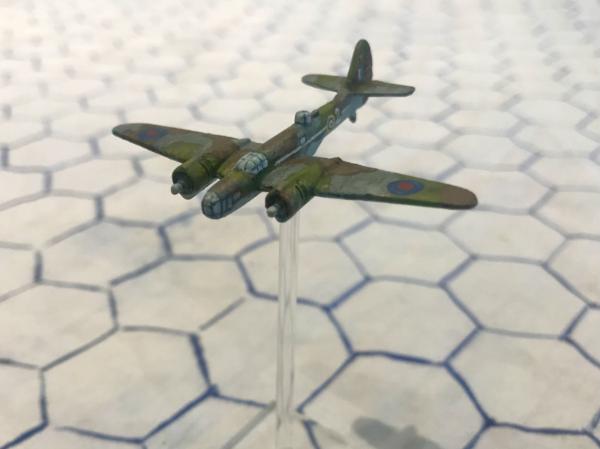
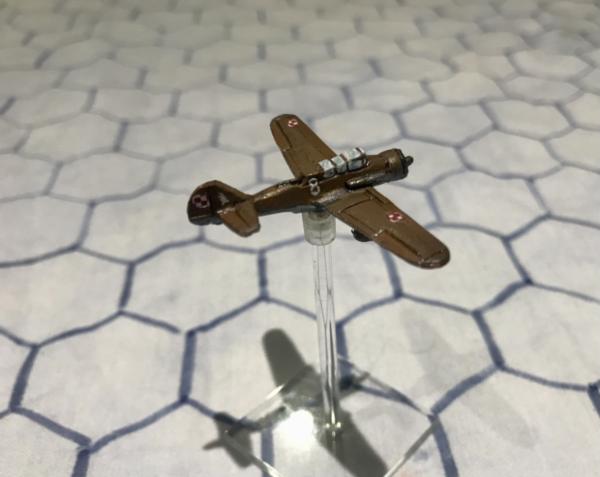
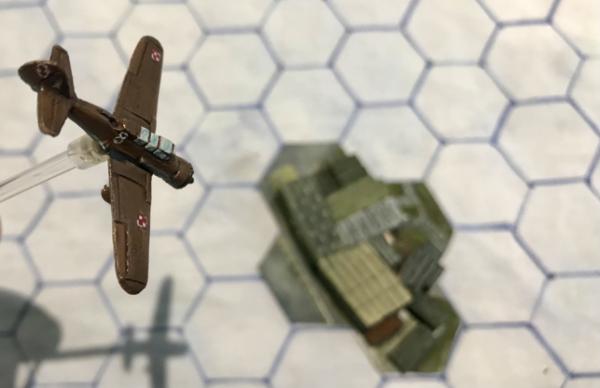
300 and 301 were the first Polish units to be made operational. Initially equipped with, yes you guessed it, another horribly underpowered and all-round unfit for the job aircraft. This time it was the Fairey Battle. Anyone else sensing a theme emerging?
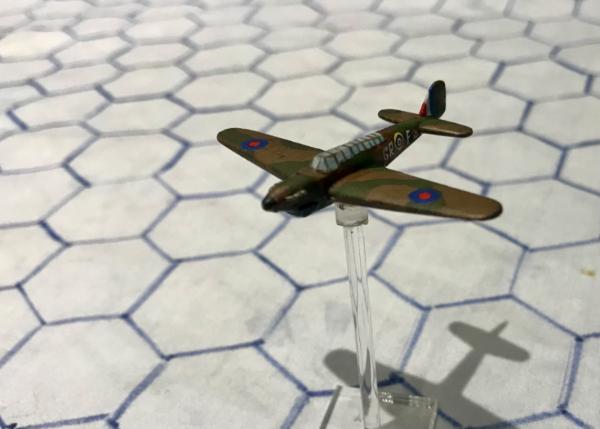


The RAF’s notoriously sub-optimal light-bomber was being hastily shuffled away from front line service but true to form the eager Polish airmen would take anything with wings that would let them drop a bomb on the enemy.
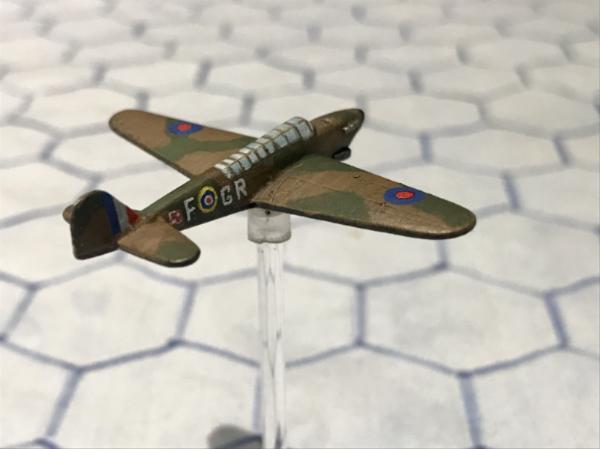

Their early missions included the night bombing of the Operation Sea-lion barges at Boulogne.
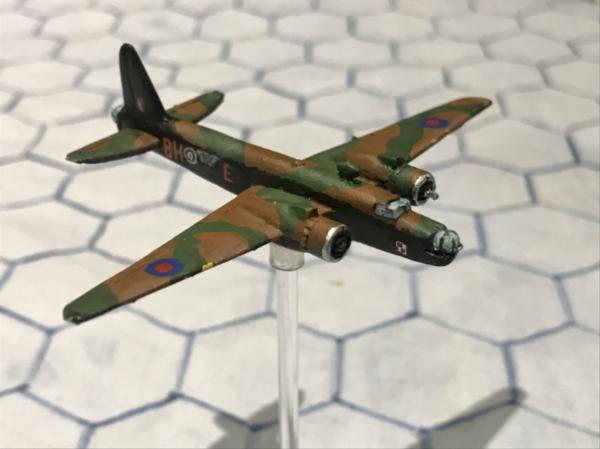

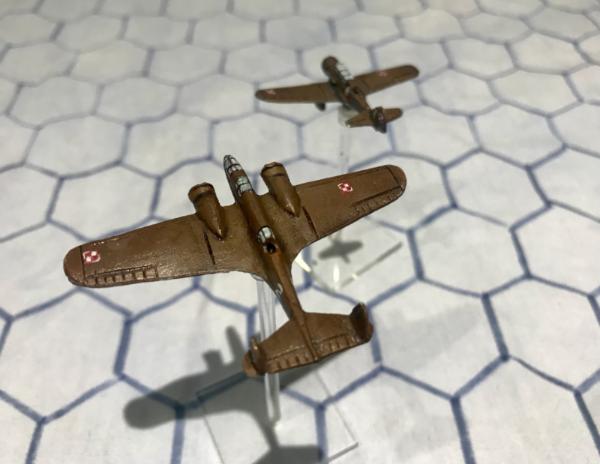
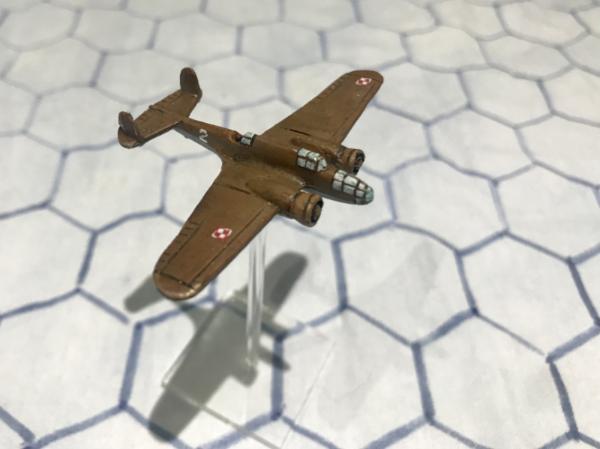
Both units were re-equipped with Wellingtons by November 1940 and continued to operate as part of No.1 (Bomber) Group, taking part in the first Thousand-Bomber Raid against Cologne (Operation Millennium), and the second thousand-bomber raid on Essen in May and June 1942.
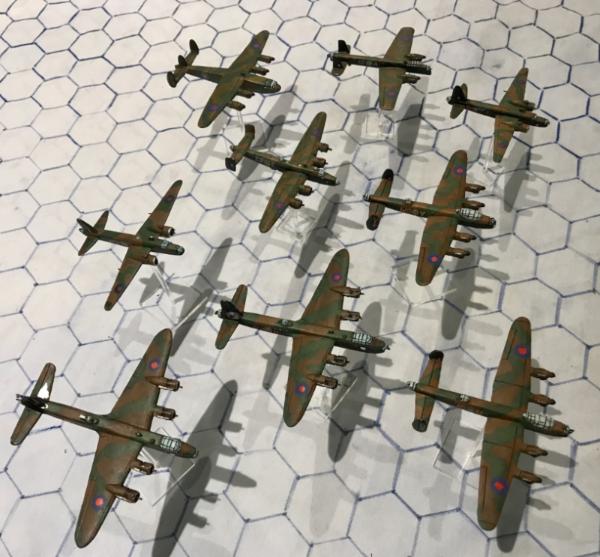

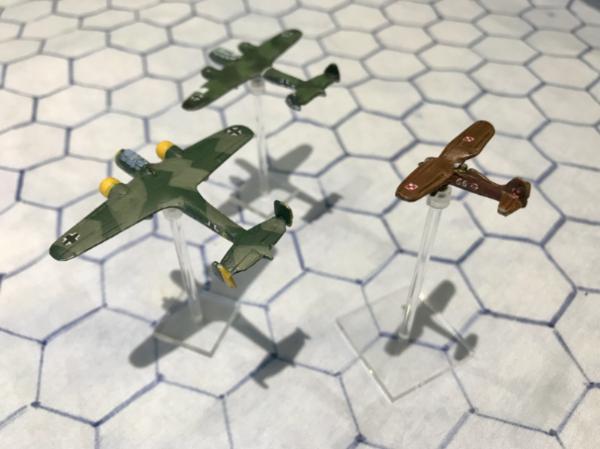
I threw together a collection of my RAF bombers that would have taken part in these raids (an an Avro York in the back there because from a distance it looked the part)
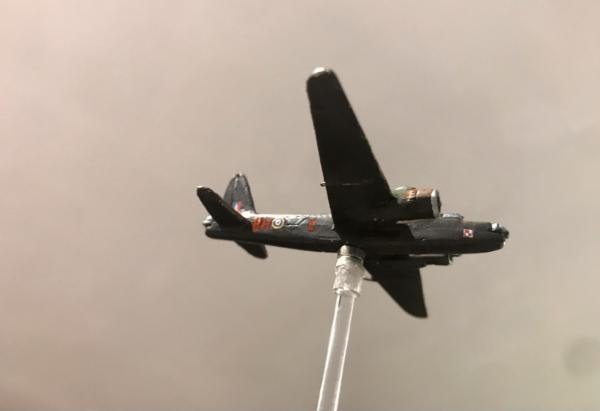

In actual fact the vast majority of bombers on these raids were twin engined Wellingtons as the numbers of big 4 engined aircraft simply weren’t there yet. So hard-pressed for suitable aircraft to make up the numbers they even brought some old Whitleys back out of retirement just for the occasion!
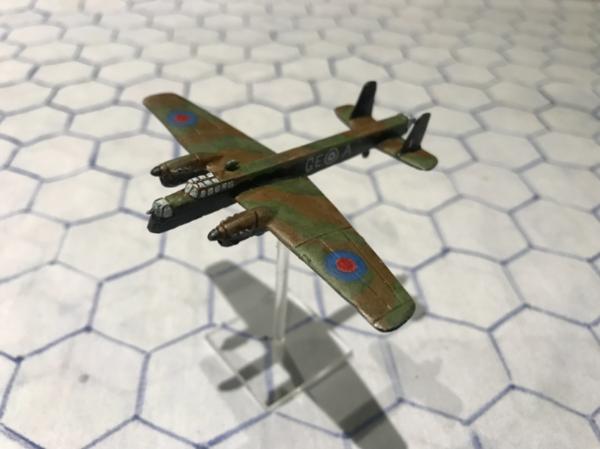
Actual Poles in Whitleys still to come.

In April 1943 due to losses 301 squadron was disbanded and remaining crews and personnel were consolidated into 300 squadron who were now converting to Avro Lancasters. (I probably should’ve painted up a 300sq Lancaster for this, but sadly I didn’t.)

Some elements of 301 Volunteered for a new effort that would form C Flight of 138 Squadron, an RAF Special Duties Flight operating three Handley Page Halifaxes and three Consolidated Liberators as special transport bombers.
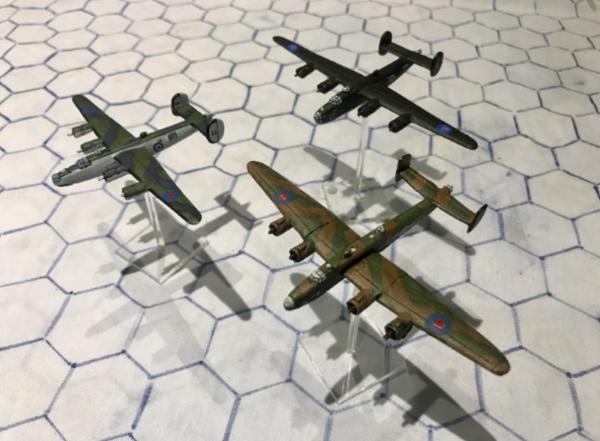


In November 1943 they were deployed to Libya and then on to Italy and became No. 1586 (Polish Special Duties) Flight.
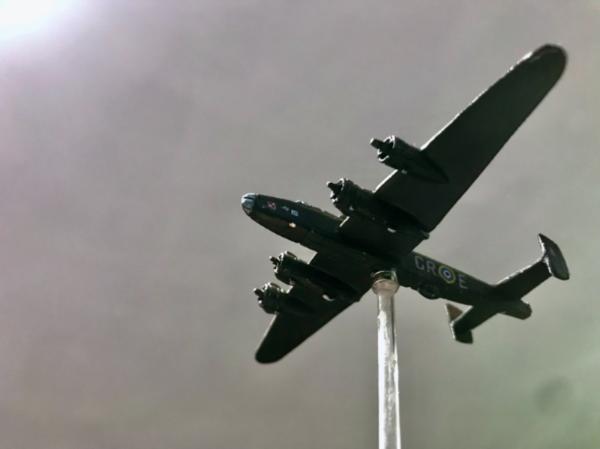


Missions included partisan supply drops and agent insertion often involving seriously long haul flights over occupied Europe and into central Poland in support of the Warsaw Uprising in August 1944. For which the Polish C-in-C Kazimierz Sosnkowski named them Obrońców Warszawy (Defenders of Warsaw)
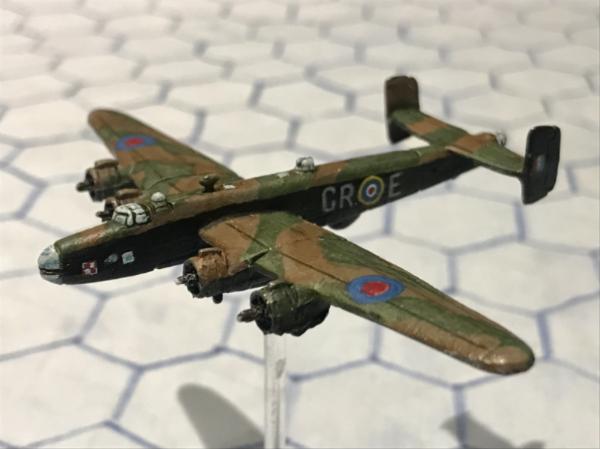

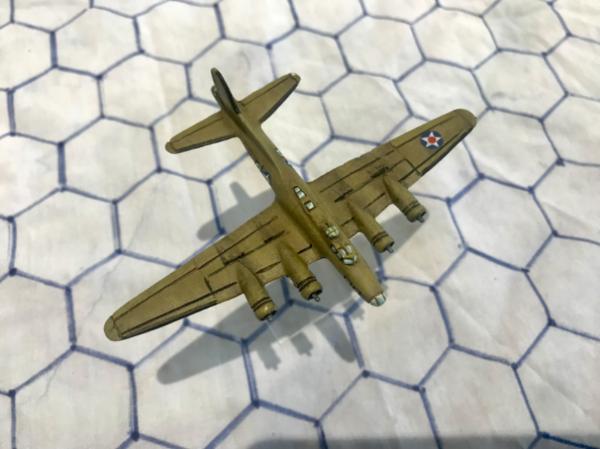
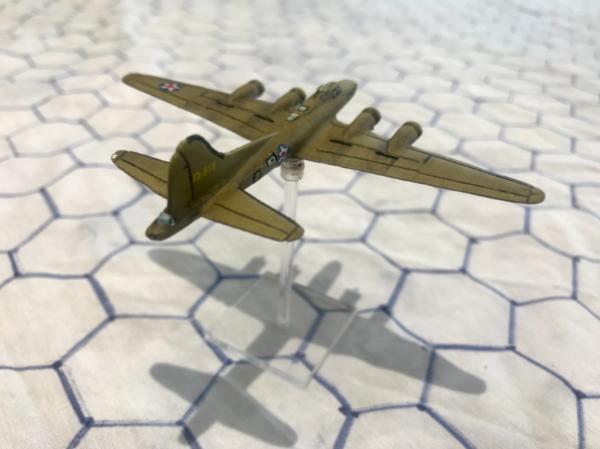
This is HP Halifax no. JP222 (GR-E) which was Damaged by flak during a supply sortie to Warsaw but crashed into the sea when returning to Brindisi with the loss of the whole crew: P/O Molinski, F/Sgt Beer, Sgt Kuhn, Sgt Milewski, Sgt  Martyniuk, Sgt Kozlowski, Sgt Minowski and observer F/Lt Wolf.
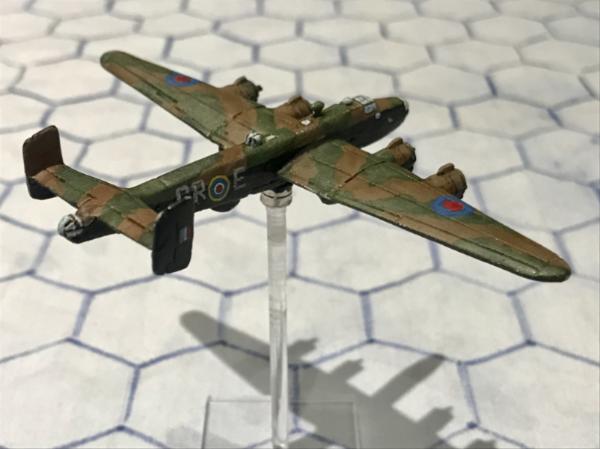

No matter what the RAF might have called it, C Flight, or 1586 or whatever, the Polish crews and authorities still referred to it as No. 301 Squadron (Land of Pomerania.) and lobbied the RAF successfully to retain the old GR squadron code from 301 on their aircraft. The RAF eventually gave in renaming the unit as No. 301 Squadron (special duties / Transport Command) in November 1944.

Now let’s take a look at the fighters.
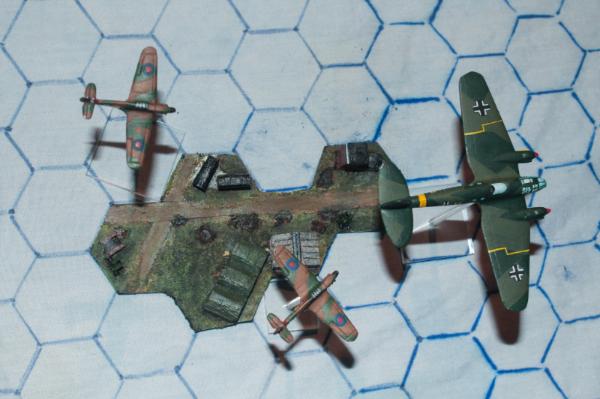
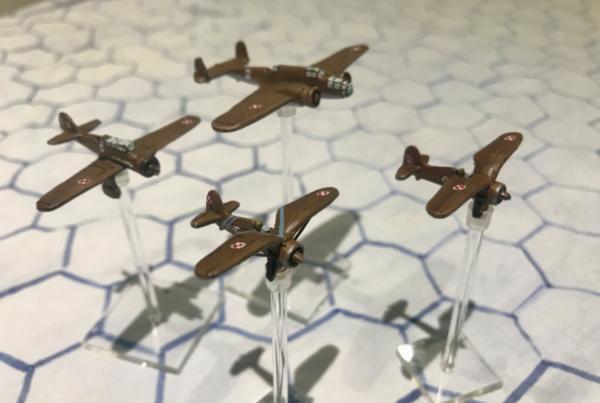
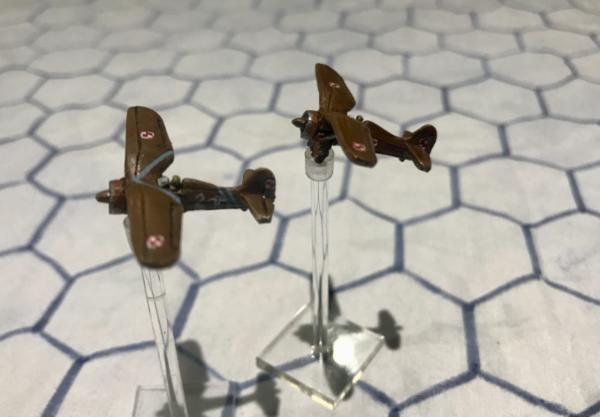
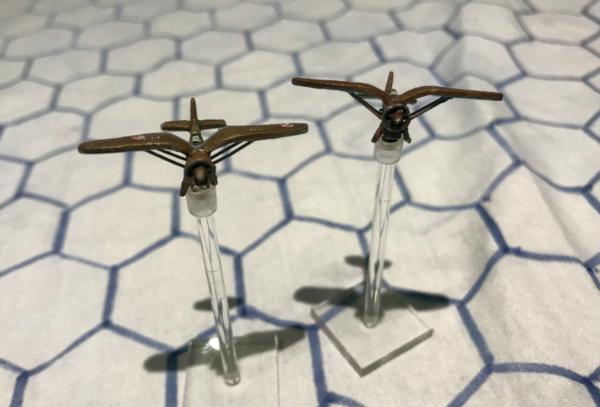
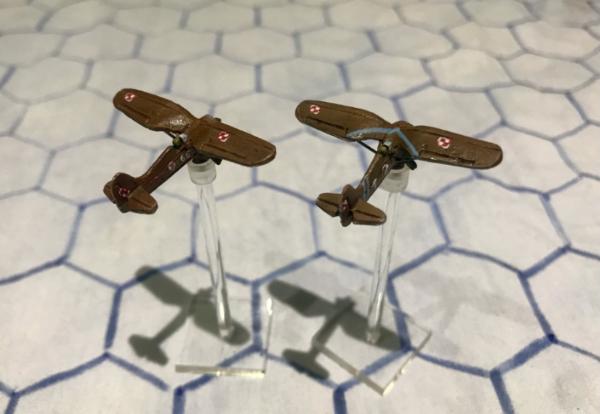
The fighter squadrons, 302 and 303 first saw action in the third phase of the Battle of Britain in late August 1940 flying Hawker Hurricanes and quickly showed themselves to be highly effective. Polish flying skills were well-developed and the pilots were regarded as fearless and sometimes bordering on reckless.

303 Sqd Hurricane V6665 RF-J
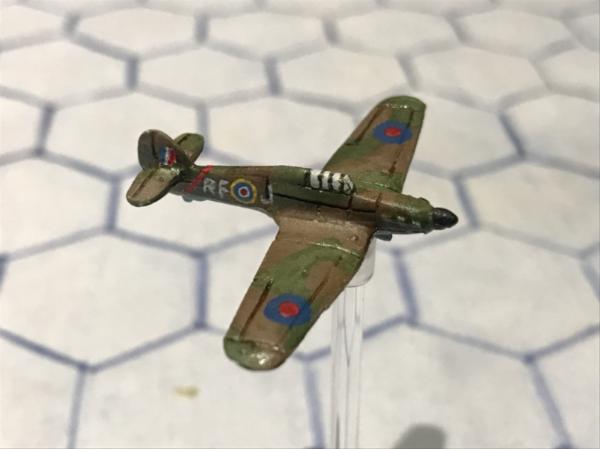
Hurricane V6665 flew a total of 19 operational sorties during its short 20 days with 303 Squadron claiming four enemy aircraft destroyed.
Sgt Tadeusz Andruszkow claimed a kill in V6665, but was shot down and killed in the aircraft the next day. He was only 19 years old when he died.
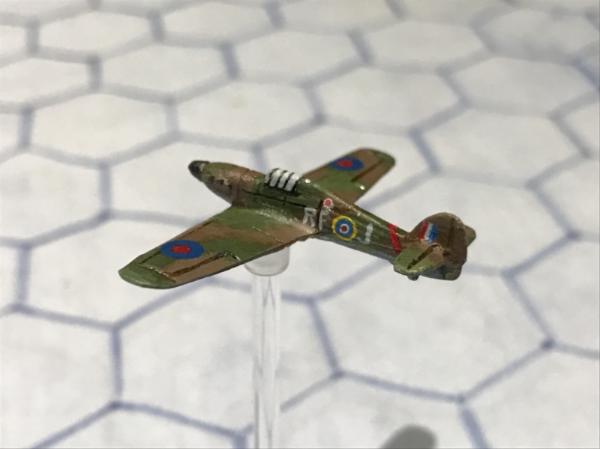


Polish success rates were very high in comparison to less-experienced British Commonwealth pilots. 303 squadron became the most efficient RAF fighter unit at that time, to the point that RAF commanders protested when government censors refused to allow this fact to appear in the press.
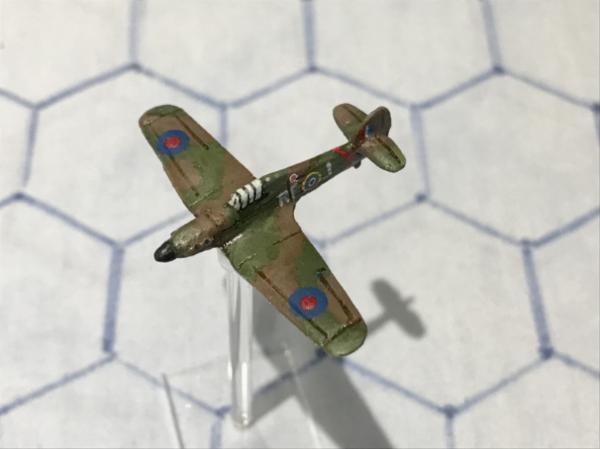


303 Squadron is now accepted as being the highest scoring RAF fighter squadron of the Battle of Britain, with the best kills to loss ratio of all RAF units involved in the Battle, despite being in the front line for only 42 days.
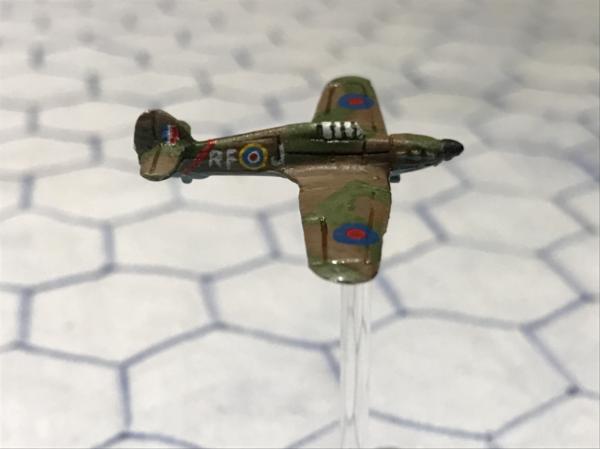


Later, further Polish squadrons were created: 304 (bomber, then Coastal Command), 305 (bomber), 306 (fighter), 307 (night fighter), 308 (fighter), 309 (reconnaissance, then fighter), 315 (fighter), 316 (fighter), 317 (fighter), 318 (fighter-reconnaissance) and 663 (air observation/artillery spotting).

In August 1942 No. 309 Polish Fighter-Reconnaissance Squadron became the first Polish unit converted to the American-built Mustang Mk1.
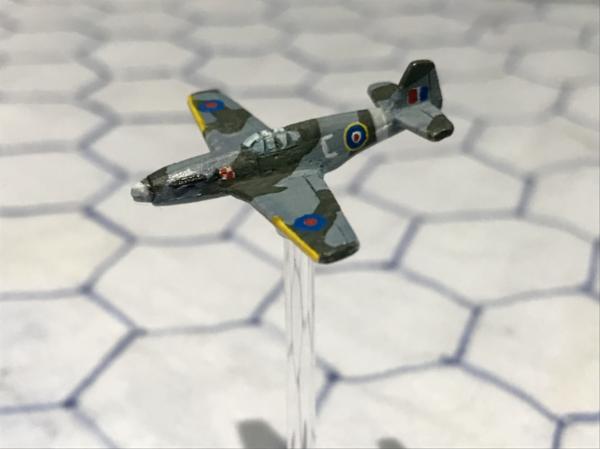


The Mustang’s operational range was greatly debated among the 309 pilots. At the time it was considered common knowledge that a Mustang couldn’t be flown from the east coast of Scotland to Norway and back, but Polish pilot and aeronautical engineer F/Lt Janusz Lewkowicz disagreed. He submitted his calculations to the contrary to Group HQ but to no avail.
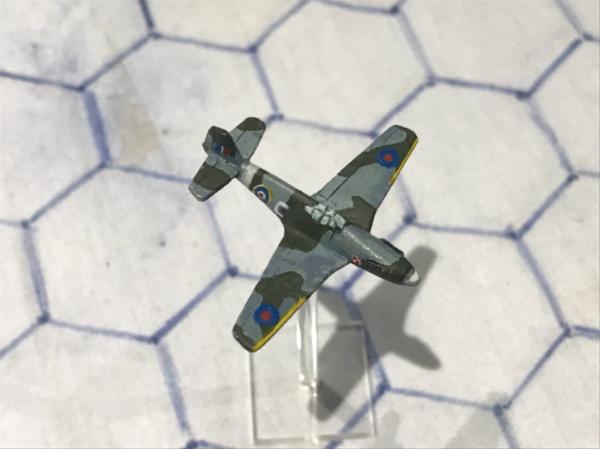

Not content with being ignored, Lewkowicz in typical Polish style did whatever he felt necessary to prove his point and made an unauthorized flight to Norway on the 28th September, strafing a military installation at Stavanger and returning safely to Scotland at Dunino having covered some 400miles over open water. It was a significant achievement and not so easy to ignore.
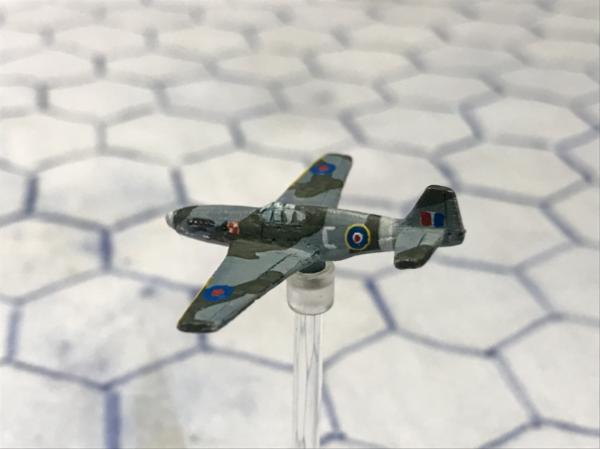

For his flight, Lewkowicz was reprimanded for breaking the regulations and at the same time sincerely congratulated by Air Marshall Barratt. As word of the flight got out planners began to quickly reevaluate the capabilities of the Mustang, finding targets as far away as the Dortmund-Ems canal in Germany now within reach.
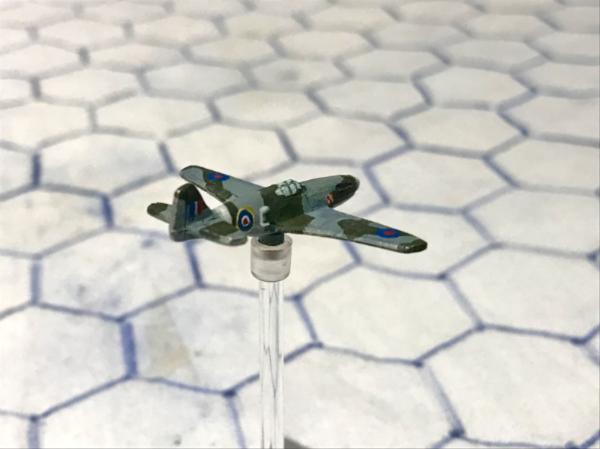


But the Polish airforce in exile were by no means confined to the defence of the British Isles. In late 1942 Polish Air Force Staff Command requested RAF permission to send a group of specially chosen pilots to the North African theatre of operations to acquire experience in operating as a part of a tactical air force in preparation for future Allied landings on the European continent.
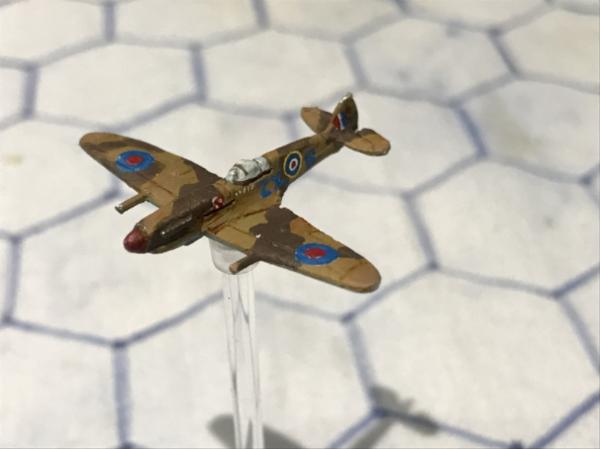


Our old friend and first allied ace of the war Stanisław Skalski was given command and so was born "Cyrk Skalskiego" (Skalski's Circus) the Polish Fighting Team (Polski Zespół Myśliwski) a special flight consisting of fifteen experienced Polish fighter pilot volunteers operating out of Goubrine Airfield in Tunisia as “C Flight” of No. 145 Squadron.
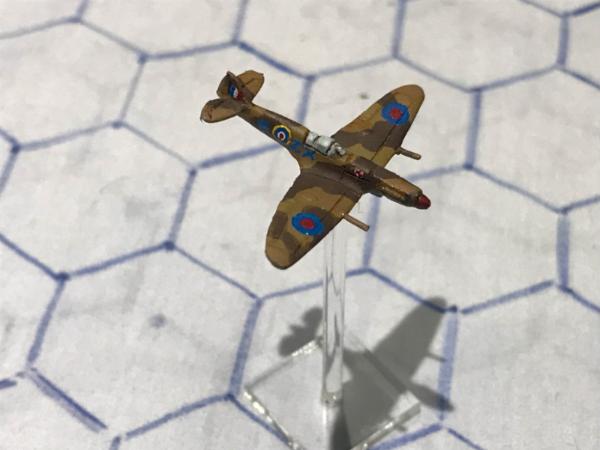

The Polish Fighting Team were equipped with Spitfire Mk IXCs. This is ZX-6 flown by CO Stanisław Skalski himself.

The PFT gained a reputation for combat effectiveness from March to May 1943 destroying 25 enemy aircraft with another 3 probable and 9 damaged. Flying Officer Mieczysław Wyszkowski was the only casualty in the PFT, shot down and taken prisoner.
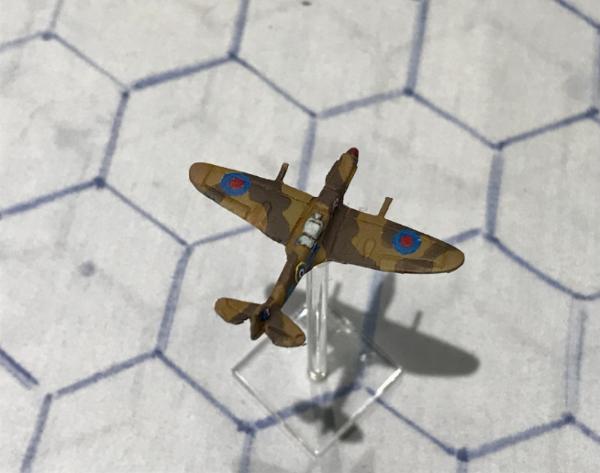


Following the surrender of the German Army in Africa on 13 May, the PFT was disbanded.
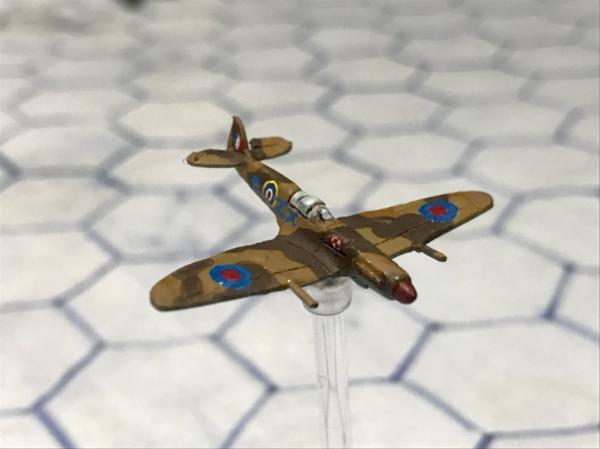


Skalski then became the first Pole to command an RAF squadron when he was appointed commander of No. 601 (County of London) Squadron who he led during the invasion of Sicily and the invasion of Italy also flying the Spitfire.

Skalaski would go on to be appointed commander of No. 133 Polish Fighter Wing in April 1944, then flying the Mustang Mk III.


A brief interlude if you’ll indulge me to mention another group of Eastern-European, often overlooked pilots within the RAF; the Czechoslovak airmen, many of whom were syphoned off from operational duties to take up a transport role, initially with either 24 or 511 Squadron. 511 squadron was based at RAF Lyneham from October 1942. Their role was to carry VIPs and priority freight to the Middle East.
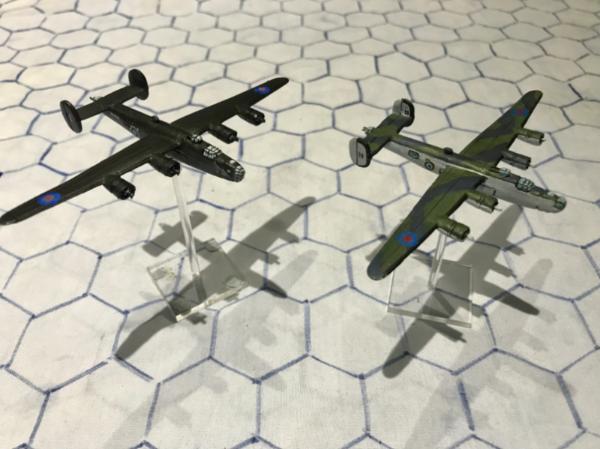
In 1943, the Squadron flew the Prime-Minister, Winston Churchill, to the War Conference in Casablanca.
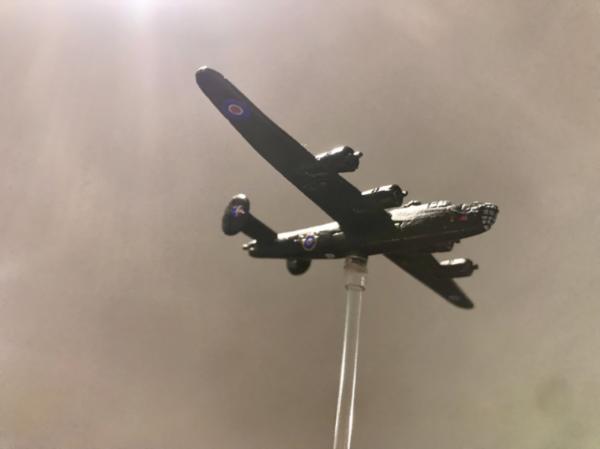

(We’ve met this plane before in the VIP collection.)
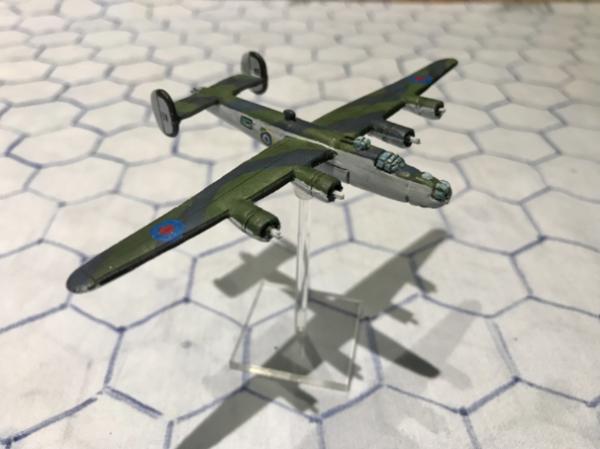

In July 1943 one of 511 sqaudron’s B-24 Liberators flown by Flt/Lt Eduard Prchal (he had earlier flown Hurricanes fighters during the Battle of Britain with 310 Squadron, Beaufighters with 68 Squadron and had also served with 24 Sqn) AL523 crashed on take-off from Gibraltar in July 1943.
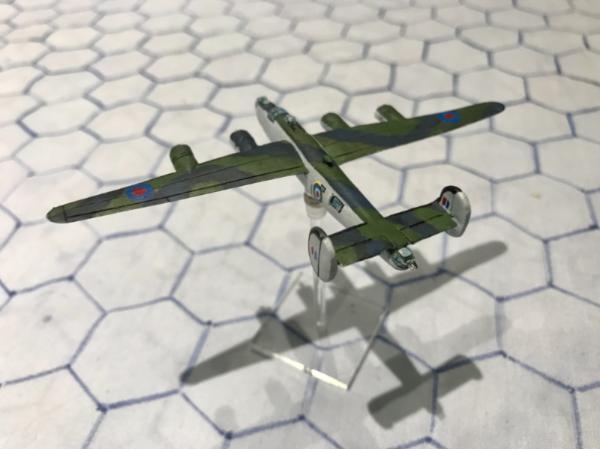

On board were the Polish Prime Minister (in exile) General Władysław Sikorski and his entourage. The aircraft dived into the sea and all aboard were killed, with the exception of the pilot Prchal.
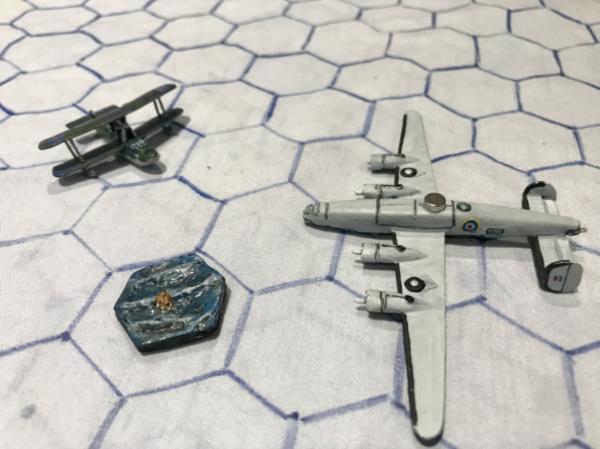


The blow to the Polish government in exile was immense and rumours about the incident flew back and forth. However, Prchal was cleared of any wrongdoing or negligence and later returned to and resumed his duties with the RAF.

General Sikorski's death marked a turning point for Polish influence amongst the Anglo-American allies, and in many ways ended any hopes of Poland coming out of the war with any real political independence. No Pole after him would have as much sway with the Allied politicians, and the Allies had no intention of allowing Sikorski's successor, Stanisław Mikołajczyk to threaten the alliance with the Soviets. No Polish representative was invited to attend the conferences at Casablanca or Yalta, and the non-interference stance of Soviet Russia during the Warsaw Uprising really put the final nail in the coffin for the Polish Government in Exile in London who the Soviets totally ignored.

One of the last Polish squadrons formed was fighter-Reconnaissance Squadron No. 318 “City of Gdańsk”
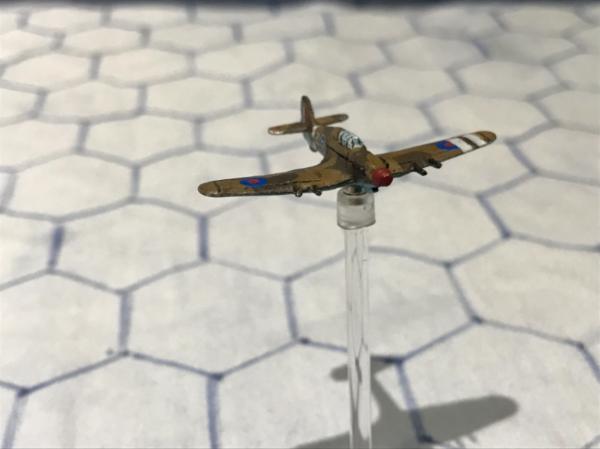


In October 1943, the squadron were dispatched to Palestine and took part in training exercise “Verile” providing the air element for a simulated invasion of Palestine by the Polish II Corps. Shortly after in January 1944 they were also part of the “Tussle” training manoeuvres which were held in Egypt.
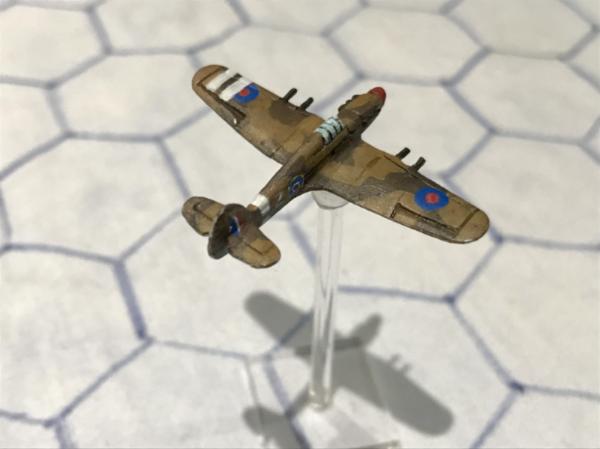


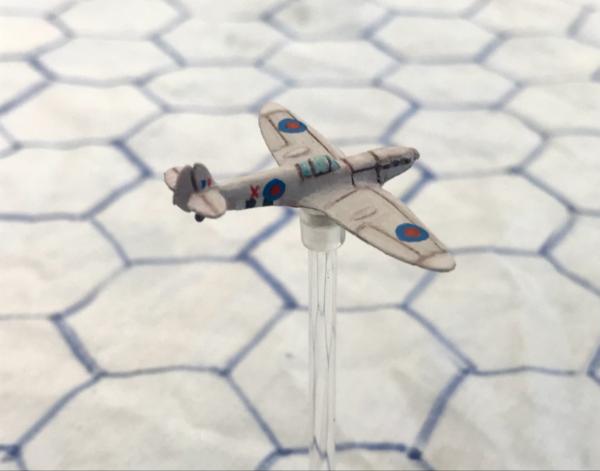
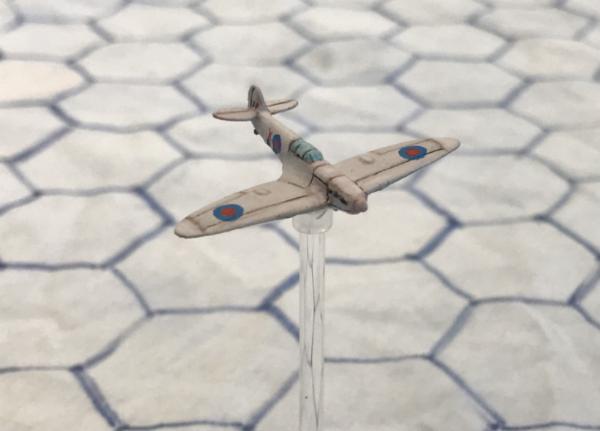
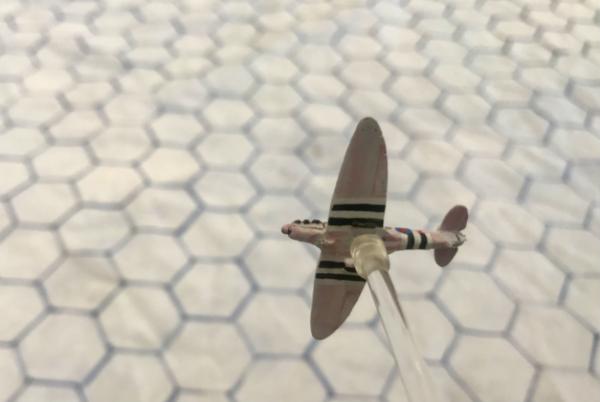
During these training exercises their ageing Hurricane IIb’s received special temporary markings. The first were two white stripes painted on the upper left wing surface. The other was a white stripe on the tail where the usual “sky band” would be.
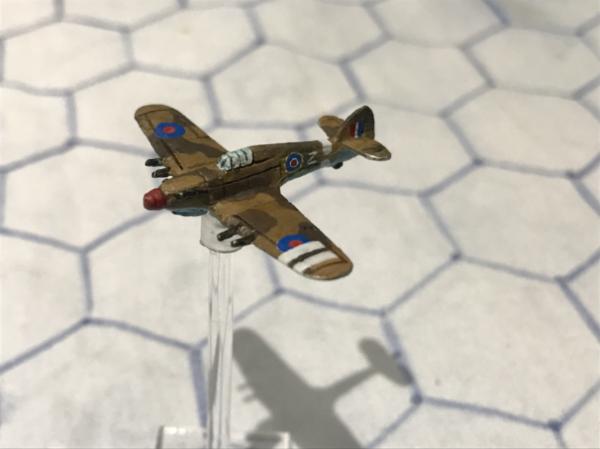


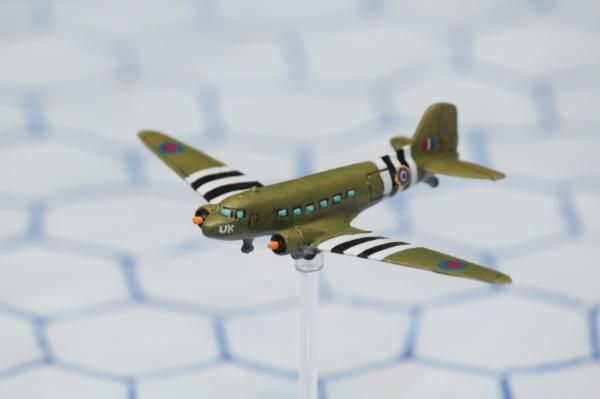
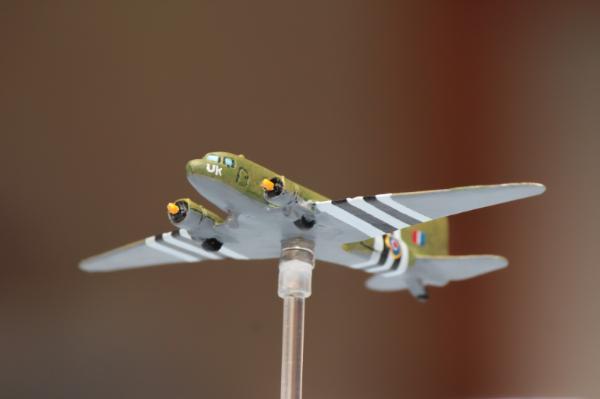
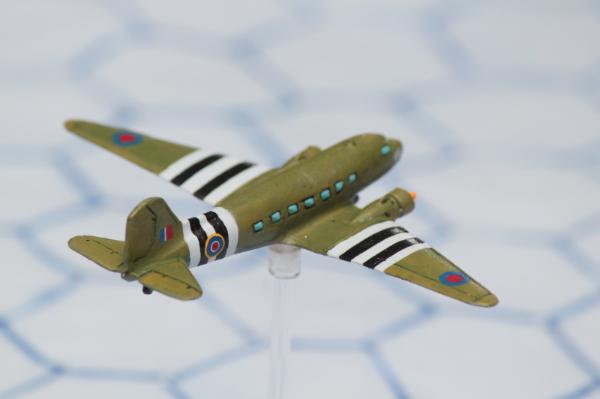
Such temporary markings of black or white stripes in various locations were common practice for flight training manoeuvres, allowing observers to keep track of the aircraft involved especially where other aircraft on patrol or lost aircraft might find their way into the area. The most famous of these temporary markings is of course the D-day invasion stripes. (So let’s have some of those now.)
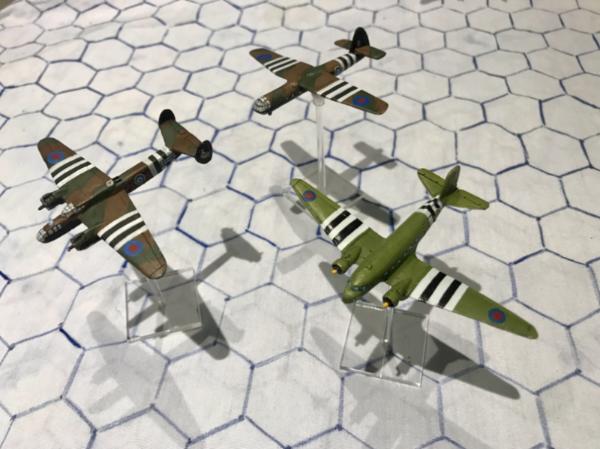


Our last call before we’re done concerns another lot of Polish Servicemen in exile whose aerial exploits shouldn’t go unmentioned. The 1st (Polish) Independent Parachute Brigade.

They trained at Ringway aerodrome Manchester jumping out of old AW Whitley Bombers.
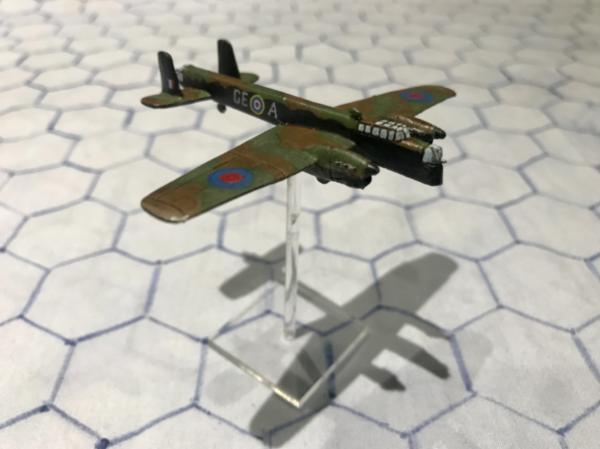
See, I told you we’d catch up with Poles in Whitleys soon.

“Ringing the bell” was something of an issue with these old aircraft as men jumping down through the hatch in the floor had to be very careful not to crack their heads on the way out.
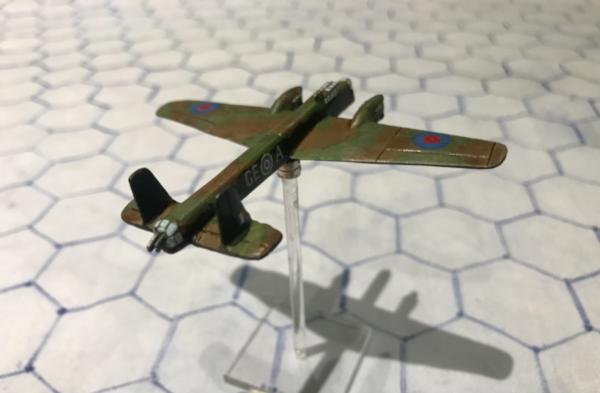

The 1st (Polish) Independent Parachute Brigade flew into enemy territory in Horsa gliders towed by Albemarles of 297 sqdn on September 18th and 19th 1944 as part of Operation Market Garden
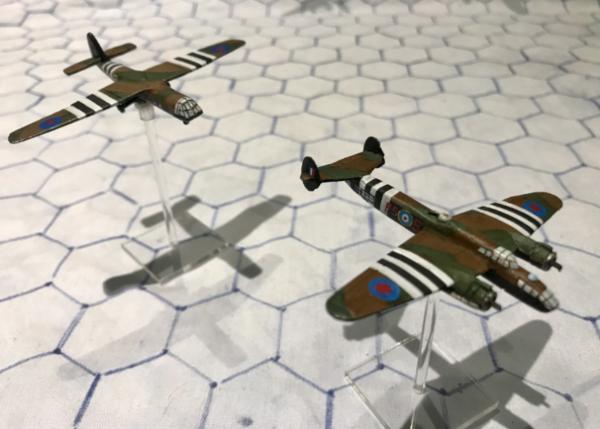

and dropped from C-47s of the 314th and 315th Troop Carrier Groups on 23rd September


earning themselves amongst other accolades an honourable mention in this miniature aviation history blog.
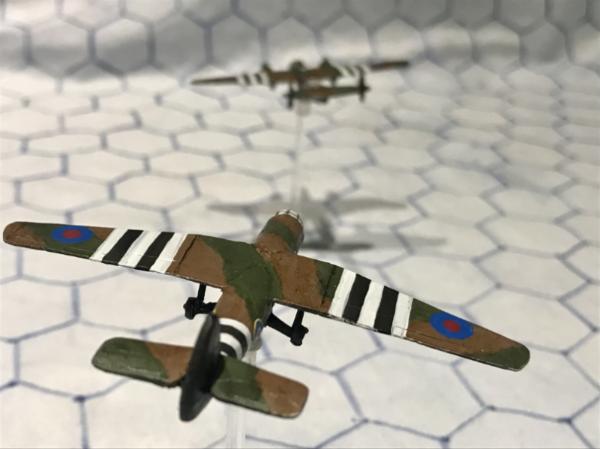
I could talk about AW Albemarles being rubbish bombers and Horsa gliders being little more than plywood tubes with wings but at the end of the day they were the tools required for this very specific job and were available in sufficient numbers when needed.

By the end of the war, around 19,400 Poles were serving in the Polish Air Force in Great Britain and in the RAF. Not to mention the thousands more in service with the other forces.

After the war, in a changed political situation with Soviet Russia pulling the strings of Poland’s new communist Provisional Government of National Unity, Poland’s old Government in Exile in London was largely ignored and brushed under the political rug. So insistent was Uncle Joe in fact that the only Poles invited to march in the Victory parade were Soviet Poles.
Subsequently only a small proportion of the Poles who had flown with or served alongside western forces chose to return to Poland. Those who did often suffered harassment and accusations of being western spies.

Our good friend Stanisław Skalski Golden Cross, Silver Cross, Four times Cross of Valour, Order of Polonia Restituta, Order of the Cross of Grunwald , DSO, DFC & two bars…
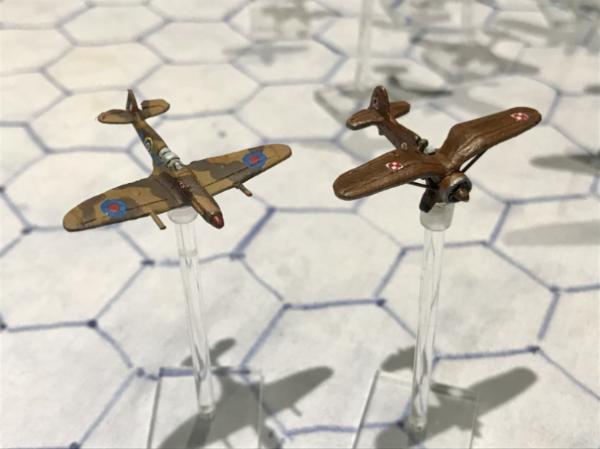
First Allied Ace of the war, 501squadron Battle of Britain pilot, Commander of 306, 316 and 317 (Polish) squadrons RAF over Occupied France, commander of the PFT in North Africa (so called "Cyrk Skalskiego"). Who commanded 601 squadron in the invasion of Sicily and of Italy and Commander of No. 133 Polish Fighter Wing, who received officers training at the US Army Command and General Staff Office and went on to command the British Air Forces of Occupation in Germany.

Yeah, THAT guy, was one such returning Polish western exile arrested by communist political police in 1948 under the false charge of espionage. Sentenced to death, he spent three years awaiting execution, after which his sentence was changed to life imprisonment. It wasn’t until the end of Stalinism in Poland in 1956 that Skalaski was released and his character publicly rehabilitated. He was allowed to re-join the airforce where he served in various roles until his retirement in 1972.

And there you have it; The Polish Airforce in Exile.
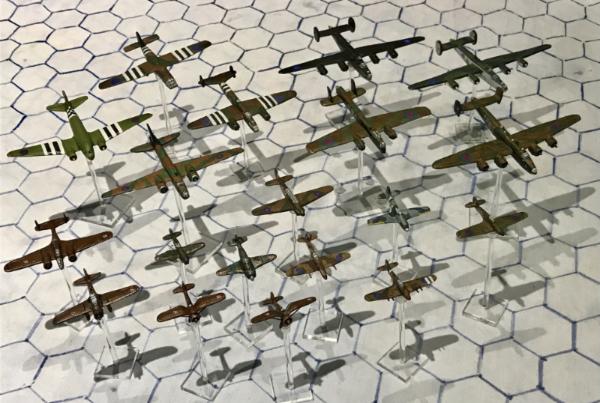

Turns out there was a whole lot more to it than just those funny fellas in the Battle of Britain movie. But if you’ve had enough and you want me to stop my Polish Chatter, or as they might say,“Zamkniesz się wreszcie?”
My response is “Repeat Please!”

This message was edited 2 times. Last update was at 2023/01/10 21:29:18


Forum Index » Painting & Modeling Showcase
Go to: