 shootstompshootstomp wrote:
Hey guys, yes this is all really helpful as I do want to get better at the modelling and painting. It seems that good photography is going to be key, so I'll invest in getting some better lighting equipment for the future.
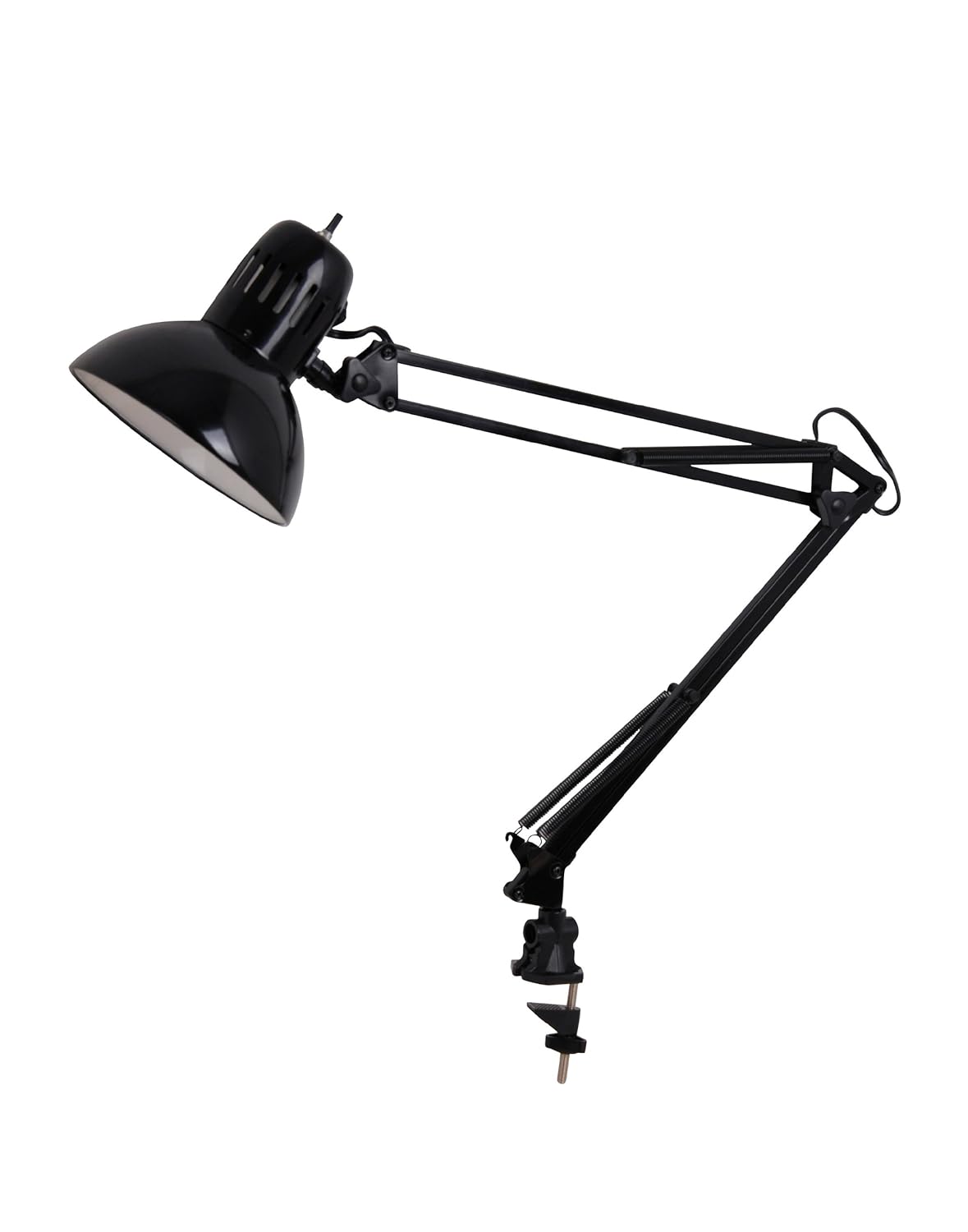
Nothing too crazy, cheap swivel lamps are useful as heck and cheap:
The yellows were damn hard, by the far most tedious process and certainly an aspect I need to get better with. Funnily enough I watched Duncan Rhodes on painting yellow over black, but practicing it proved a bit more difficult than I thought.
BTW. Found a really good post from our Dakka own from a while back:
https://www.dakkadakka.com/dakkaforum/posts/list/374651.page
My preference is to start from black prime and work my way up.
The "secret" I find is to get a high pigment paint (
GW would label them as a "base" paint) and pick a colour that looks half-way from black to it.
So I would base in a light brown first.
NOTE: Orks have a more "organic" or gritty look to them so brown works really well, for marines or a more "pretty" surface I would suggest trying a light grey first.
The other parts I thought could use improvement were some of the finer details, like colouring the tongues and giving more flavour to the weapons.
A dark red to the mouth (great contrast with green) a bit of edge highlighting and then a red based shade.
I think I need to get more creative and adventurous with colour usage but I didn't want to "mess up" my first finishes.
Some suggestions that work for me that my classically trained artist cousin pointed out:
- The colour wheel is your friend.Gets into contrasting colours and ways to group them.
- "The Golden Ratio" is an interesting way of splitting up a distance that is considered pleasing to the eye (about 0.62% of a distance).
http://www.creativebloq.com/design/designers-guide-golden-ratio-12121546
I look at it as going slightly more than 1/3rd the distance away from an edge when doing say a 3 part edge highlight or looking at it from the shading side.
Something to keep in mind when trying to figure out where to break-up a surface.
- I have taken to writing the "recipe" of what I used for each element painting a squad and putting it in the box with them. It is very irritating trying to match up again what was used a month later or so.
What I really enjoyed was the basing. It's amazing what a bit of PVA glue, some sand out of my kid's play sandbox, and a few pebbles from my back yard footpath can do!
Some hobby shops carry brass rod and some very tiny brass tube.
I like cutting them off with a dremel tool and glue them to the base as spent casings.
No painting needed, unless it is rod and I paint a black dot in the middle.
I really like the various technical paints or additives to make textures like dried cracked earth.
I usually sand the base surface real coarse (like 60 sand paper) so the glue has more "tooth" to grab, especially those clear flying bases: It really sucks when the glued on base peels off neatly like the cheese off a pizza.
I use really fine model train ballast sand (when on sale) as a base and sometimes put little patches on top of the painted base and leave it unpainted (they come in many colours).
Things like kitty litter or reasonable found sand in the area is all good, I found I needed to screen some of it to keep the bigger bits out.
For the sci-fi setting I tend to avoid using things like static grass, I tend to support playing on a "scorched earth".
Have fun, it is utterly insane how much helpful stuff there is out there, the trick is finding the stuff that works the best for you.