Switch Theme:

How do you use Testor's Liquid Dullcote?  [RSS] Share on facebook Share on Twitter Submit to Reddit
»
Author Message
Advert


Forum adverts like this one are shown to any user who is not logged in. Join us by filling out a tiny 3 field form and you will get your own, free, dakka user account which gives a good range of benefits to you:
  • No adverts like this in the forums anymore.
  • Times and dates in your local timezone.
  • Full tracking of what you have read so you can skip to your first unread post, easily see what has changed since you last logged in, and easily see what is new at a glance.
  • Email notifications for threads you want to watch closely.
  • Being a part of the oldest wargaming community on the net.
If you are already a member then feel free to login now.


Made in us
Fresh-Faced New User


I've been using the spray dullcote for a while now and haven't had any issues other than it not seeming to protect the base very well. the models don't seem to have paint rub off but the bases sometimes do. So i picked up the liquid jar version thinking i could paint it over the areas that the spray misses. My first attempt on applying to the base rubbed off the paint in spots. I didn't really research the liquid too much before attempting so there must be something i'm missing. My question is how are you supposed to use this liquid version of dullcote? Also it had a pretty strong smell which i expected because the spray also has one but this stuff gave me a headache. Should I be wearing my mask?

some facts about how I used it.
used a cheap brush because I wasn't familiar with the product but the brush was brand new.
the black paint was pretty fresh, dry but still only been on for about an hour
didn't thin the liquid
basically tried to apply it as though it were a paint

Any help would be appriciated.
   
Made in au
Grizzled Space Wolves Great Wolf


The liquid dullcote is a lacquer. To be honest I haven't used it much by hairy brush for the reason you mentioned, being a lacquer it's a very strong solvent that is more than capable of stripping acrylic paint. When I have used it by hairy brush, I just apply it quickly and am careful to only apply it with one "stroke", multiple strokes is asking for trouble.

Being a lacquer you need to use it in a well ventilated area. I don't use a mask, but I do use an exhaust fan to exhaust the fumes outside.

But I mostly airbrush it rather than hairy brushing it. At the moment it's probably my favourite matte varnish.

You do need to use a lacquer based thinner for thinning and cleaning up. You can buy lacquer thinner from a hardware store *but it is extremely strong*, I instead recommend using a "hobby" lacquer thinner as they tend to be a bit gentler, personally I use Mr Color Levelling thinner with the dullcote, but Testors make their own lacquer thinner which may or may not be better, I've never tried it.

The owner of my local hobby store says he uses it with a hairy brush, but he only uses it for touch ups rather than completely coating the model and he mostly uses enamel paints so maybe it's less prone to attacking enamels compared to acrylics.

This message was edited 1 time. Last update was at 2017/01/29 10:03:27


Made in us
Douglas Bader


brettdavis1991 wrote:
the black paint was pretty fresh, dry but still only been on for about an hour


There's your problem. Acrylic paints take days to cure completely. They'll be dry to the touch within minutes, but the chemical reaction that forms a hard shell takes much longer. Any kind of solvent (varnishes, oil paints, etc) can still very easily eat into it, and even plain water or excessive handling can rub the paint off. If you're going to do anything besides painting on additional acrylic layers just put the model aside for a week and work on something else.

As for how to use dullcote, get a spray can, spray the model. It isn't really going to protect much, its primary purpose is applying a matte finish. If you're really worried feel free to apply some layers of gloss varnish first (supposedly it's a tougher cover), or just be more careful with your models. I've never had any problems with paint rubbing off except when I've been careless in handling something. No amount of varnishing is going to save a model if you drop it in the parking lot.

There is no such thing as a hobby without politics. "Leave politics at the door" is itself a political statement, an endorsement of the status quo and an attempt to silence dissenting voices. 
   
Made in au
Grizzled Space Wolves Great Wolf


Missed that bit, yeah, wait at least a two or three or maybe more days before trying to apply a lacquer over an acrylic. In my experience *most* acrylics don't react with *most* lacquers and I have some models in my collection which I spray lacquer over acrylic almost immediately, *but* you still ought to wait a while for the acrylic just to toughen up a bit.

But that said, lacquers are strong solvents, it's hard to avoid causing damage when hairy brushing even if you wait for the acrylic to cure. I've used weak lacquer thinner to strip models in the past and stronger lacquer thinners like you get from the hardware store will eat through the paint and melt the underlying plastic So if you're going to be applying any lacquer by hairy brush you need to avoid manipulating it on the model because it'll just start lifting the paint.

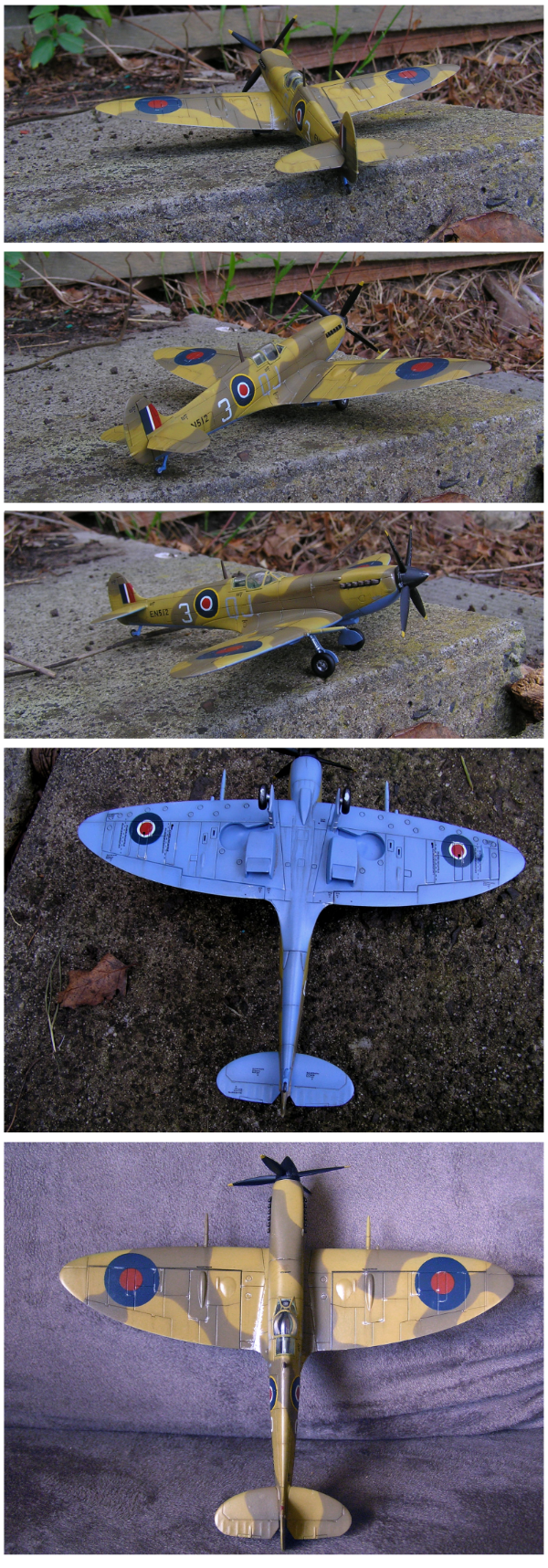
I prefer the bottled dullcote over the spray can stuff, but I still airbrush it rather than trying to hairy brush it. I used dullcote with a hairy brush ONLY over the decals on this model to try and hide that edge you get on decals, but then finished it off by spraying the whole thing with an airbrush.

I hid it with weathering but I managed to damage the underlying paint on the decals which are on the underside near the trailing edge of the wing closest to the fuselage.
This message was edited 5 times. Last update was at 2017/01/29 15:26:58


Forum Index » Painting & Modeling
Go to: